The Art of Facial Balancing

An advanced approach to facial aesthetics

For more than twenty years, Michael Law MD has embraced the philosophy of facial balancing—an advanced approach to facial aesthetics that focuses on proportion, symmetry, and natural beauty. The goal is not to change your appearance, but to restore harmony so your features complement each other in a refreshed and youthful way.
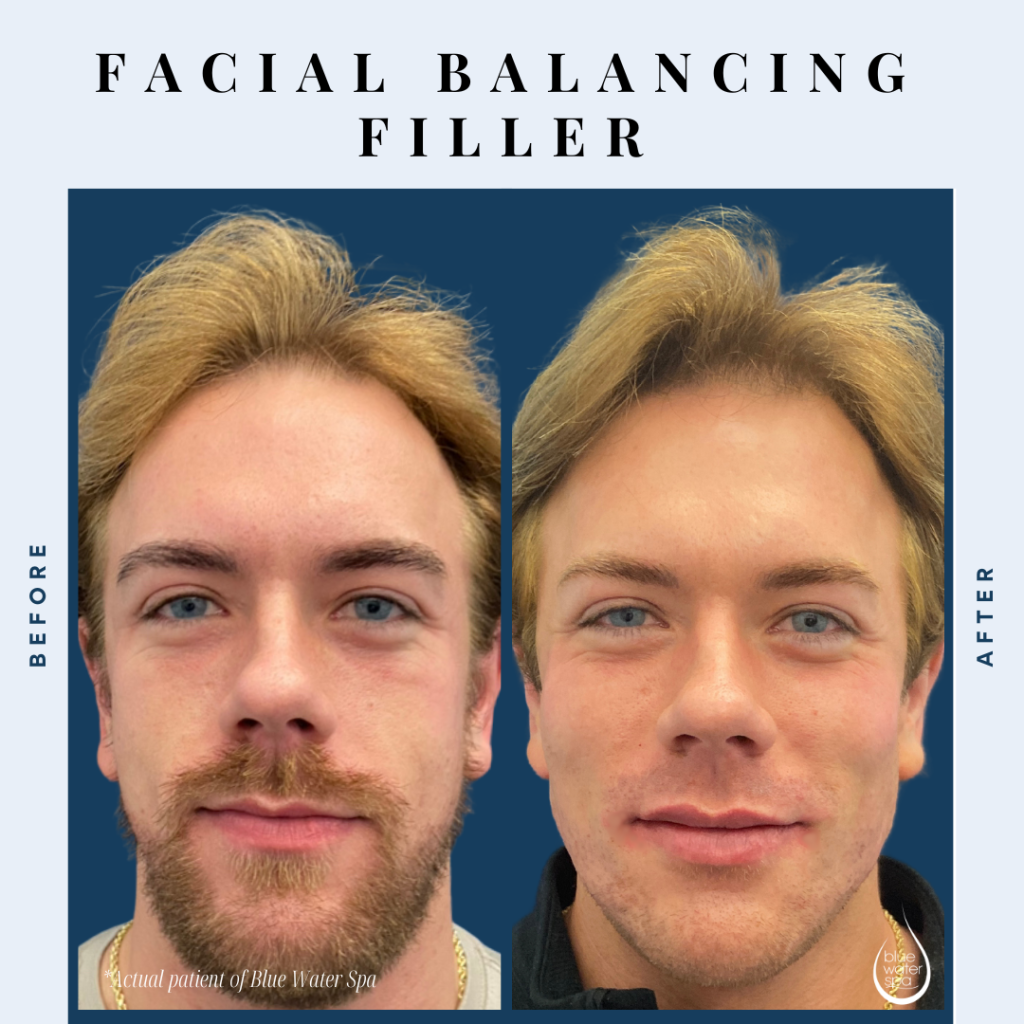
Facial Balancing

What Is Facial Balancing?

Facial balancing is a methodical approach to analyzing and enhancing the face. Rather than filling lines or augmenting individual features, it focuses on how all parts of the face—upper (forehead and eyes), middle (cheeks and midface), and lower (mouth, chin, and jawline)—work together in balance and proportion.

For example, if the midface appears less projected than the jawline or brows, small adjustments with filler can bring the entire face into harmony. The artistry lies in subtlety—creating natural refinement that looks effortless, not overdone.

How Facial Balancing Enhances Natural Beauty

Facial balancing involves fine-tuning the relationships between different areas of the face. Addressing hollowness at the temples or brow area can make the eyes appear more vibrant, while gently adding volume to the upper lip can restore lip symmetry. When performed with precision, these treatments create a refreshed look that others notice—but can’t quite identify.

Small refinements, such as a soft brow lift with neuromodulators or restoring volume to the midface, can produce dramatic yet natural results. The goal is to enhance your features so that your beauty feels familiar—only better balanced and more youthful.

Restoring Facial Harmony

Both genetics and the natural aging process can disrupt facial symmetry. For example, a weaker chin can make the lower face appear less defined, but strategic filler placement can restore projection and balance the proportions of the face. Likewise, addressing marionette lines or downward-pulling muscles can make the expression appear softer and more pleasant.

However, experience and restraint are essential. Overuse or poor placement of filler can lead to heaviness, distortion, or an aged appearance over time. True expertise ensures results that are subtle, refined, and in harmony with your natural anatomy.

Non-Surgical and Surgical Options

Facial balancing can be achieved through both non-surgical and surgical techniques. Mild asymmetries or volume loss can often be addressed with injectables such as fillers, Sculptra, PRF, or PRF EZGel. More significant adjustments, such as correcting a recessed chin or jowling, may require surgical intervention like an implant or lift procedure.

At Michael Law MD Aesthetic Plastic Surgery , all injectors are trained directly by a board-certified plastic surgeon who provides ongoing education and supervision. This ensures that every treatment is guided by a deep understanding of facial anatomy and aesthetics, and that each provider knows exactly what can be achieved non-surgically versus surgically.

Our Philosophy

The purpose of facial balancing is not to change who you are—it’s to enhance what’s already there. The best outcomes are those that make you look healthy, rested, and confident, without anyone realizing you’ve had a treatment.

That said, moderation is key. Too much filler in the chin or lower face can create heaviness or even cause premature jowling. At Blue Water Spa, our providers focus on balance and proportion to ensure every enhancement complements your natural features.

Choosing the Right Facial Balancing Expert

  1. Credentials: Ensure your provider is a plastic surgeon or works closely under the supervision of one.
  2. Conservative Approach: Choose a practitioner who values subtlety and avoids overfilling.
  3. Product Knowledge: They should be skilled with all major filler types, including Juvederm, Restylane, RHA, Sculptra, PRF, and PRF EZGel.
  4. Technique: Mastery of both cannulas and needles is essential for precision and safety.
  5. Safety Protocols: Confirm they have clear procedures for handling rare complications or undesired results.
  6. Portfolio: Ask to see before-and-after photos of their own work to evaluate their aesthetic style.

If you ever feel rushed, pressured, or uncomfortable, trust your instincts and leave. An ethical, experienced injector will always take a conservative, patient-centered approach.

Patient Testimonial

“I went to Blue Water Spa for facial balancing and initially thought I needed surgery. The nurse injectors were amazing—they lifted my brows with Botox, used Sculptra in my temples, PRF EZGel under my eyes, and filler in my cheeks. They advised me to wait on my jawline and lips, and instead used Botox to lift the corners of my mouth. I’m so glad I trusted their expertise! The transformation is subtle but incredible. I had no bruising and only minimal swelling for a day. Everyone keeps asking if I changed my hair or teeth—no one suspects injections. I just look naturally refreshed.”


Voted Best Plastic Surgeon in Raleigh NC

Dr. Michael Law – USC Trained Plastic Surgeon

Dr. Michael Law received his plastic surgery training from the top rated plastic surgery program in the United States. He received his plastic surgery training at the University of Southern California (USC) which is rated the #1 Plastic Surgery Residency Training Program in the United States Training by the Plastic Surgery Research Council. PSRC – Ranking United States Plastic Surgery Residency Programs Based On Academic Achievement Dr. Law continued his training at USC and received a plastic surgery fellowship from The University of Southern California as well.

Michael Law M.D. - Board Certified Plastic Surgeon in Raleigh NC

Plastic surgery is one of the most competitive specialties in all of medicine with approximately 55% of physicians who have completed a general surgical residency “matching” with a plastic surgery program. Upon his completion of general surgery training at The UCLA, The University of California Los Angeles, Dr. Law received a call from the Chief of Plastic Surgery, Randy Sherman. Dr. Sherman extended an invitation to a position as a Plastic Surgery resident at USC. Dr. Law immediately accepted. Because of Dr. Law’s record of excellence and his invitation to train at the number one plastic surgery resident training program in the nation, Dr. Law did not need to sit for his general surgery boards like many of his colleagues. He was able to begin plastic surgery training immediately upon completion of the rigorous and prestigious general surgery program at UCLA.

Best Plastic Surgeon in the Raleigh / Durham area of North Carolina by WRAL News

Dr. Law has been recognized year after year as the Best Plastic Surgeon in the Raleigh / Durham area of North Carolina by WRAL News, The News and Observer, Wake Living, and other regional lifestyle magazines and platforms. He owns and operates Blue Water Spa, voted best Medical Spa in America by American Spa Magazine, Best Medical Spa in the Southeast by LNE and Best Medical Spa in the Raleigh area by WRAL News and other platforms.

Dr. Law has been featured on the cover of consumer and plastic surgery publications. He sees discerning patients from around the world seeking a beautiful and natural result from plastic surgery. Nearly half of Dr. Law’s patients are medical professionals or their families.

Certifications and Affiliations

Dr. Law is certified by the American Board of Plastic Surgery. He is a member of The American Society of Plastic Surgeons, and The Aesthetic Society. He is a member of AOA, Alpha Omega Alpha, the Medical Honor Society. He graduated at the top of his class at Emory University medical School. He then traveled to CA for a selective and rigorous general surgery training at UCLA prior to completing his plastic surgery residency and fellowship at University of Southern California.

Plastic Surgery Clinic

After completion of his plastic surgery and training fellowship in Los Angeles, Dr. Law practiced plastic surgery in Beverly Hills, CA before moving to his hometown of Raleigh NC to raise a family. Dr. Law owns the 9,000 s.f facility in North Raleigh. His OR is accredited by both the Joint Commission and AAAASF. Dr. Law sees patients from all over the world seeking beautiful and natural results from surgery. His discerning patients include high profile individuals who value the privacy and VIP experience in Dr. Law’s facility. Approximately 40% of Dr. Law’s patients are physicians and their families.

Med Spa vs Regular Spa : Whats the Difference

Med Spa vs Regular Spa: What’s the Difference?

When deciding how to care for your skin and overall wellness, you might find yourself comparing a med spa vs regular spa. While both offer relaxing experiences and beauty services, they differ significantly in purpose, treatments, and the expertise of staff. Understanding these differences is essential to selecting the right type of spa for your personal needs.

What Is a Medical Spa?

A medical spa, often called a med spa, blends the relaxing environment of a traditional spa with advanced medical treatments typically found in a dermatologist’s or plastic surgeon’s office. At Blue Water Spa in Raleigh, NC, owned by board-certified plastic surgeon Dr. Michael Law, patients receive physician-supervised services using FDA-cleared technology for skin, body, and facial rejuvenation.

What Is a Regular Spa?

Also known as a day spa, a regular spa focuses on relaxation and general wellness. Services include massages, facials, aromatherapy, and body wraps. These are non-medical treatments intended to help clients unwind and temporarily improve the appearance and feel of the skin.

Key Differences Between Med Spa and Regular Spa

  • Supervision: Med spas are overseen by licensed medical professionals, often plastic surgeons or dermatologists. Day spas are managed by licensed estheticians or massage therapists.
  • Treatments: Med spas offer procedures like laser hair removal, injectables (Botox, fillers), microneedling, and medical-grade chemical peels. Regular spas offer massages, facials, and basic skincare services.
  • Results: Medical spa treatments often target deeper skin layers and offer longer-lasting, sometimes permanent results. Regular spas provide immediate but temporary relaxation and superficial benefits.
  • Equipment: Med spas use advanced devices such as IPL (Intense Pulsed Light), Emsculpt, or Emsella, which are not found in day spas.
  • Customization: Med spa treatments are tailored to individual skin conditions, often after a clinical assessment, while regular spa services are more generalized.

Why Choose a Med Spa?

Choosing a med spa means opting for results-driven care under medical oversight. If you’re dealing with sun damage, acne scarring, skin laxity, or volume loss, a med spa like Blue Water Spa offers cutting-edge technology and physician-level expertise that ensures safe, personalized results.

Why Choose a Day Spa?

If relaxation, stress relief, and pampering are your primary goals, a day spa may be more suitable. It’s ideal for routine facials, massages, and light skincare treatments that enhance your well-being without medical intervention.

What Services Can I Expect at a Med Spa?

Here are common treatments found in reputable med spas like Blue Water Spa:

  • Botox and dermal fillers
  • Laser skin resurfacing
  • Microneedling with PRP
  • Emsella and Emsculpt
  • HydraFacial MD
  • IPL photofacials
  • Medical-grade skincare products

How Do Med Spa Treatments Differ from Those at Day Spas?

Med spa treatments are typically more intensive, longer-lasting, and require medical licensing or supervision to perform. For example, a chemical peel at a med spa may penetrate deeper and yield stronger results than one offered at a day spa. Additionally, some procedures may involve downtime and require follow-up care.

Can Med Spas Provide Treatments That Day Spas Cannot?

Yes. Med spas can offer injectables like Botox, prescription-strength skincare, laser resurfacing, and fat reduction treatments like Emsella —services that day spas legally cannot perform. These advanced options are often performed under the guidance of a physician like Dr. Michael Law to ensure safety and efficacy.

Are the Staff at Med Spas Different from Those at Day Spas?

Absolutely. At med spas, treatments are performed or supervised by medically trained professionals such as nurse practitioners, physician assistants, or licensed estheticians under a physician’s oversight. Day spas typically employ massage therapists and estheticians with certifications in spa services but not medical credentials.

Are Day Spa Visits More Affordable Than Med Spa Visits?

In general, yes. Day spas offer simpler treatments with fewer resources and lower costs, making them more budget-friendly for frequent visits. Med spas require advanced equipment, medical-grade products, and licensed professionals, which typically results in higher prices—but also delivers more dramatic and longer-lasting outcomes.

When to Visit a Med Spa vs a Regular Spa

Visit a Med Spa When You Want: Visit a Day Spa When You Want:
Treatment for aging skin, acne, pigmentation, or volume loss Stress relief or relaxation
FDA-cleared procedures like Botox, laser therapy A massage, aromatherapy, or basic facial
Results-based care supervised by a medical professional Pampering and self-care with minimal recovery time

Conclusion: Choose Based on Your Needs

The decision between a med spa vs regular spa depends on your aesthetic goals and desired outcomes. If you’re seeking noticeable results through advanced, physician-guided treatments, a med spa like Blue Water Spa in Raleigh is the clear choice. If you simply want to relax, recharge, and enjoy a spa day, a traditional day spa may be all you need.

Ready to Experience the Benefits of a True Medical Spa?

Contact Dr. Michael Law and the team at Blue Water Spa in Raleigh today for a consultation. Their award-winning med spa combines luxury with results to help you look and feel your best.

Call: (919) 870-6066

Ozempic Butt: Side Effect of Weight Loss Medications Raleigh NC

Ozempic Butt’: What You Need to Know About This Side Effect of Weight Loss Medications

The term “Ozempic Butt” is gaining attention as a reported side effect of semaglutide, a weight loss drug sold under the brand names Ozempic and Wegovy. This condition, characterized by sagging skin on the buttocks, has become a topic of conversation for those experiencing rapid weight loss due to these medications.

Experts suggest that extreme, quick weight loss can cause looser skin, particularly in areas like the buttocks and thighs. Slowing down the weight loss process and maintaining a steady pace may reduce the risk of developing this side effect. Regular exercise, along with surgical and non-surgical treatments, can also help improve the appearance of “Ozempic Butt.”

What is ‘Ozempic Butt’?

‘Ozempic Butt,’ sometimes referred to as ‘Wegovy Butt,’ refers to sagging skin that occurs after rapid weight loss while taking these medications. It gives areas of the body, especially curvier areas like the buttocks, a looser or “deflated” look. This isn’t directly caused by the medication itself but by the rapid weight loss, which doesn’t allow the skin to bounce back quickly.”Ozempic Butt” is a new term however the concept of sagging skin after significant weight loss isn’t. Rapid weight loss, particularly in the early stages of taking Ozempic or Wegovy, can lead to loose skin because the body’s elasticity doesn’t have time to adjust.

Semaglutide works by suppressing appetite, making you feel full even when you’re not, which leads to rapid weight loss. However, our skin, which stretches gradually to accommodate weight gain, may not retract as quickly when the weight is lost too fast. This is especially true for individuals who have been overweight for a long time.

Who is at Risk for ‘Ozempic Butt’?

Not everyone will experience sagging skin after losing weight, but certain factors increase the likelihood. Age, how much weight you gained, and how long you’ve been overweight all play a role. For younger individuals, skin tends to be more elastic and can bounce back more easily, whereas older adults may experience more noticeable sagging. Additionally, the more weight you’ve gained, the more your skin has stretched, making it more prone to remaining loose after weight loss.

Managing Sagging Skin After Weight Loss

If you’re dealing with muscle atrophy or loose skin after weight loss with semaglutide, there are options available for you. At Blue Water Spa and Blue Water Plastic Surgery, our guests have enjoyed the results of Emsculpt and Emsculpt NEO. This treatment actually builds muscle in any area of the body, making the glutes more form, perky and youthful. It can build muscles in the calves, abs, thighs, and arms. Emsculpt can help with overall body sculpting, enhancing muscle tone and providing a physique that looks youthful, strong and well-proportioned. Emsculpt is a non-invasive treatment that is comfortable and takes just 30 minutes. In one session, you can experience the equivalent of 20,000 perfect squats. The results can be felt and seen after just a few treatments. Emsculpt is a device FDA approved to build muscle with no down time. Yes, it can help you have more sculpted abs and a more perky bootie.

But that’s just a start. Professional athletes even gain an edge. It can also help people with physical limitations, like folks recovering from an injury or surgery. BWS Guests who receive Emsculpt note an improvement in recreational sports, more stamina when interacting with their children, an improved mood; presumably due to the burst of endorphins,  more energy throughout the day, and even better sleep. 

One Blue Water Spa patient, who is a physician himself stated “If you are a high functioning professional, it is negligent not to manage every of your health, and to experience all the benefits of Emsculpt”  He continues,  “You only have one physical body and it needs care if you want to live a long and healthy life” Whether your goal is a better looking bootie, enhanced health, or a healthy dose of endorphins, a quick 30 minute Emculpt session at Blue Water Spa can deliver all of it without down time or discomfort. 

If skin quality is a concern following weight loss, Blue Water Spa has multiple products and devices that help with skin tone and texture. Laser, microneedling and custom chemical peels are all treatments that can improve skin quality.   Staying hydrated and eating a diet rich in vitamins A, C, and E with plenty of protein can also support skin elasticity and collagen production.


Other Side Effects of Ozempic and Wegovy

While “Ozempic Butt” has become a recognized side effect, there are other potential side effects associated with these medications. These include:

  • Stomach cramps
  • Nausea
  • Bloating

Additionally, losing weight too quickly can lead to serious health risks, such as:

  • Gallstones
  • Dehydration
  • Malnutrition
  • Electrolyte imbalance

If you’re considering using Ozempic or Wegovy for weight loss, it’s important to weigh the pros and cons and be aware of potential side effects. Understanding what to expect can help you make an informed decision and avoid disappointment later on.

Drainless Tummy Tucks

Is a Drainless Tummy Tuck Right for You?

Drainless tummy tucks are a newer take on performing tummy tucks. The idea is that no one really likes drains. But the truth is, drains are not bad and most people don’t find them uncomfortable at all. Drainless tummy tucks can work well for some, but not all. First, there is the drainage. Many patients and surgeons alike appreciate the opportunity to measure any amount of fluid coming from the abdomen after a tummy tuck.  There are multiple means for performing drainless tummy tucks. The overall concept is that you do something which secures the abdominoplasty skin flap to the underlying abdominal wall, closing down the potential space in which a seroma can collect. Seroma fluid will still be present to some extent postoperatively; however, it is usually not possible for a large seroma to form as the abdominal skin is secured to the abdominal wall. While this can be a good option for a percentage of the population, very thin patients are never a great candidate for drainless tummy tucks. In fact, if you look closely at some “before after after” tummy tuck photos. in some patients, there are visible skin irregularities where the sutures were created. This is not a tummy tuck result anyone wants. 

Quilting Sutures

One means of securing the skin flap to the abdominal wall is by placement of “quilting sutures”, which are running sutures that secure the abdominal skin flap to the abdominal wall and which are placed during the closure procedure. This can work well for patients with thicker layers of subcutaneous fat, as there is more subcutaneous fat for the sutures to grab and it is therefore less likely that visible indentations will be present in the abdominal skin when this procedure is completed.

Internal Adhesive Products

Another way of accomplishing drainless abdominoplasty is by the use of an internal adhesive product, which essentially glues the abdominal skin flap to the abdominal wall. This is an ideal approach for thinner patients, who tend to produce less seroma fluid and who are more likely to have obvious indentations in the skin from quilting sutures. Newer is not always better. So, although the idea of a drainless tummy tuck may be appealing to some, many board-certified plastic surgeons, especially those who specialize in tummy tucks and place a high importance in safety, comfort and natural looking results will generally use drains for their patients having a tummy tuck or abdominoplasty. 

For thinner patients, drains are a must to eliminate the possibility of unwanted scarring or tracking in the abdomen after a tummy tuck surgery.  However, the thinner the skin flap, generally, the less fluid production there will be, and thinner patients therefore tend to need their drains for a much shorter period of time.

Tummy Tuck Surgery – Before and After

Drains Are Not Uncomfortable

One other issue to consider regarding postop drains is this: drains are not uncomfortable. it is just ideal to wear a garment with pockets, or with a waistband that will allow you to easily to clip the drain on your garment.  removal of the drain is easy with most patients responding “is that it? when the drains are removed. While drainless tummy tucks have captured the attention of many, the most exciting development in tummy tuck surgery for some, I believe that a rapid recovery tummy tuck that allows patients to feel comfortable and often completely pain free after a tummy tuck, Knowing that some patients can be back to work just days after a tummy tuck is an important advancement in my practice, and something that my patients appreciate a great deal. 

Top Questions About Gynecomastia Surgery

Gyno Surgery Questions

Many men ask if they truly have gynecomastia or just extra chest fat. If you’re searching for answers about male breast reduction in Raleigh, NC, this guide covers the questions we hear most often. Dr. Michael Law, a board-certified plastic surgeon, provides honest, expert insight for men dealing with enlarged chest tissue.

Do I have gynecomastia?

Do I have gyno, or do I have gynecomastia is a question asked by so many men. All men have a limited about of glandular tissue beneath the nipple. When that glandular tissue created puffy or enlarged nipples, that is when one has gynecomastia. Men also ask “Do I have gynecomastia or just chest fat?” Chest fat can also be gynecomastia. Gynecomastia can be present in men who are very fit and at a healthy weight. Sometimes the chest can appear to be very enlarged to the point of having a very large chest area that sometimes requires support garments. other times, the only sign of gynecomastia might be puffy nipples, which are glands that are enlarged. In many cases, men with gynecomastia can feel uncomfortable without a shirt, but also in tee shirts, or dress shirts.

What if my gynecomastia goes away in the cold?

When nipples are erect, the puffy look and feel of the nipple / areola complex disappears. I have had men share that sometimes physicians can be dismissive of their gynecomastia because it is not easily observable in a cold treatment room. This is why it is important to take plenty of time during a consultation for a man to relax, and to also have a room at the right temperature so that the nipples are erect and that gynecomastia can be easily observed

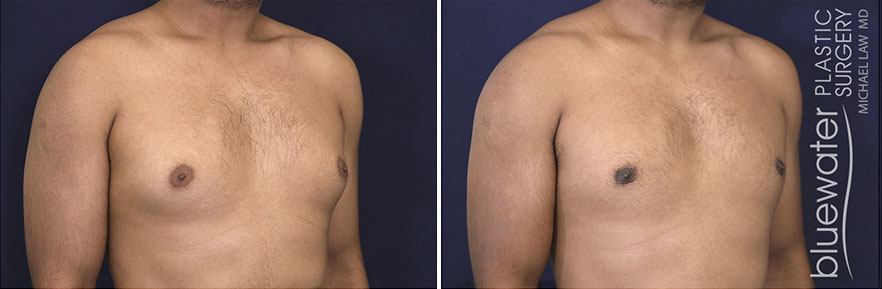
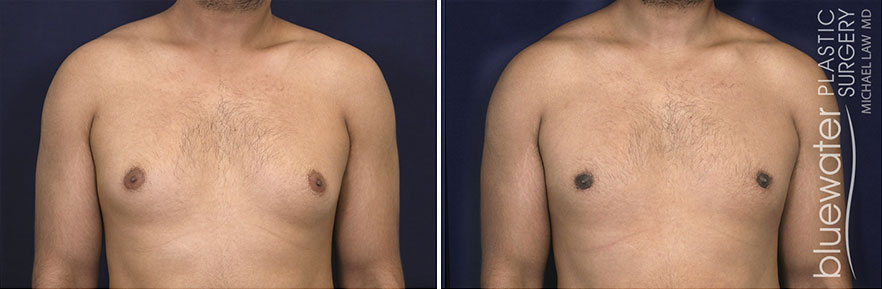
Gynecomastia Before and After Photos

How do I know if I have gynecomastia or just fat?

If a man has fullness on his chest that is not proportionate with the rest of his body, it is likely that he has gynecomastia. A man can actually feel his chest and if there are lumps, or a single lump behind the areola, that is a sign of gynecomastia. Although the chest area can be a place for any type of fat to accumulate, often times gynecomastia will include hard fibrous fat. Not only can this type of fat not go away with diet, but it requires specializes surgical technique vs traditional liposuction for this type of fat to be removed.

Will enlarged nipples go away with gynecomastia surgery?

It is very common for men with gynecomastia to have enlarged areolas. By removing the excess gland, the areola contracts and the diameter of the areola is smaller without requiring additional surgical intervention. The incisions are around the areola and when expertly performed, those incisions will be barely perceptible and often totally invisible after surgery. On rare occasion, a man actually has nipples that are larger or longer than he would like. This too can be corrected with surgery.

What causes gynecomastia?

There are many theories about what causes gynecomastia. We do know that certain medications can sometimes contribute to the development of gynecomastia. Some people have also experienced the development of gynecomastia after the use of anabolic steroids for bodybuilding. In most cases, we simply don’t know the answer. It has been suggested that hormones in food and water may have an effect on gynecomastia. There is truly not a definitive answer. I have been performing gynecomastia surgery for 20 years and I have seen men from all over the world. Some men may indulge in junk food and could be overweight. I have also performed gynecomastia correction surgery on many men who are extremely fit and who live a very healthy lifestyle. Interestingly, I have performed gynecomastia correction surgery on fathers and sons. I have also seen brothers who are close in age and have similar physiques, and who have lived similar lifestyles, one of whom has gynecomastia and the other does not. The important thing I want every man who comes to me with gynecomastia is to know that it is not their fault.

Can Gynecomastia be eliminated with diet or exercise?

Gynecomastia is primarily glandular tissue, and sometimes fibrous fat. Glands cannot be dieted away. Building muscles and getting fit is always a good thing. But in most cases, it will not mask gynecomastia. I urge patients not to lose too much weight in an effort to diet away gynecomastia. The glands and fibrous fat that cause gynecomastia are not fat and losing weight will not rid one of gynecomastia. In some cases, men can lose so much weight that they are actually unhealthy. In a case like this, I might ask a man to get back to a healthy weight before surgery can be safely performed. On the other hand, men that are overweight, but not in an unhealthy range, can often benefit greatly by having gynecomastia correction surgery. When a man feels more confident, it can make working out and adopting a more healthy lifestyle more enjoyable because they are able to more easily see results from their efforts. I very frequently see complete transformations in men who have gynecomastia correction surgery.

Can gynecomastia grow back?

It is possible for the glands to grow back if the entire gland is not removed. early in my career, I left just a sliver of glandular tissue behind to support the nipple areola complex and to prevent nipple collapse or carter deformity. Over the years, I have advanced my technique so that I remove 100% of the gland 100% of the time. This requires significant surgical skill to ensure that the nipple is well supported. With this technique, the gland will not grow back, and the chest has a smooth, natural looking contour that generally has no visible scars. The ideal outcome is a man with a chest profile that does not look like he has ever had gynecomastia, and that he has never been operated on.

How Much Does Gynecomastia Surgery Cost in Raleigh?

The average cost of gynecomastia surgery in Raleigh ranges between $6,500 and $9,000, depending on the complexity of the procedure and whether liposuction is also needed. Pricing includes the surgeon’s fee, operating room costs, and anesthesia. During your consultation, you’ll receive a personalized quote. Financing options are available to make treatment more accessible.

What Is Recovery Like After Male Breast Reduction?

Recovery is usually straightforward. Most men return to work within a week and light workouts within 2–3 weeks. Full healing takes about 6 weeks, and swelling continues to improve for several months. Patients in Raleigh often ask when they can return to outdoor activities like basketball at Pullen Park, running Umstead trails, or workouts in Research Triangle gyms. Most men are back to those routines after 6–8 weeks.

Who Is the Best Gynecomastia Surgeon in Raleigh?

Choosing the right surgeon matters. Look for a board-certified plastic surgeon with experience in gynecomastia surgery. Dr. Michael Law has performed hundreds of male breast reduction surgeries and is trusted by men across Raleigh, Durham, Chapel Hill, and Cary. His approach emphasizes natural, athletic-looking results with minimal scarring.

Next Steps

If you’re struggling with chest fullness or puffy nipples, gynecomastia surgery may be the answer. Schedule a consultation today to learn about treatment options, pricing, and recovery details tailored to you. Our office proudly serves men across Raleigh, North Hills, Cary, Durham, and the surrounding Triangle communities.


Will Gynecomastia Surgery Leave Extensive Scars on My Male Teen?

Will Gynecomastia Surgery Leave Extensive Scars on My Male Teen?

Gynecomastia, a common condition where males develop enlarged or feminized breasts, often referred to as “man boobs” or “moobs,” can be a source of self-consciousness for teens and young adults. This condition frequently occurs during puberty due to hormonal changes, and it can lead to feelings of embarrassment, especially when shirtless during warm weather or physical activities. A primary concern for parents is whether gynecomastia surgery will result in significant scarring. In this article, we will explore this concern and provide insights on the surgery process, including options for minimizing scars.

What is Gynecomastia and Why Does It Happen?

Gynecomastia is the abnormal enlargement of male breast tissue, which can result from hormonal imbalances, medications, health conditions, or lifestyle factors. It often develops during puberty, when hormone levels fluctuate, but it can occur at any age. The condition can include:

  • Swollen or enlarged breast tissue
  • Tenderness or sensitivity in the chest area
  • Enlarged nipples

In many cases, gynecomastia resolves on its own over time, but if it persists or causes emotional distress, medical intervention may be necessary.

Gynecomastia Before/After Photos

Before After


Click to View More Gynecomastia Photos

What is Gynecomastia Surgery?

Gynecomastia surgery, also known as male breast reduction, is designed to reduce excess breast tissue and restore a more masculine chest contour. This surgery is typically recommended for individuals whose condition doesn’t improve naturally or who feel psychologically impacted by the appearance of their chest.

The procedure may involve:

  • Liposuction: To remove excess fat from the chest.
  • Glandular tissue removal: If the enlargement is due to excess glandular tissue, it may be surgically removed.
  • Excess skin removal: If the skin has been stretched by enlarged breasts, excess skin may be removed to create a firmer chest.

The aim is to achieve a natural, masculine chest shape with minimal visible scarring.

Will Gynecomastia Surgery Leave Extensive Scars?

One of the main concerns for those considering gynecomastia surgery is whether it will result in noticeable or extensive scars. While scarring is a concern, modern surgical techniques and careful planning allow for the minimization of scars.

Key Factors That Affect Scarring:

  1. Surgical Approach: The method used in the surgery will influence the extent of scarring.
    • Liposuction-only technique: This requires small incisions (around 1 cm) and leaves minimal scarring, often hidden in natural body folds.
    • Incision for glandular tissue removal: If glandular tissue must be removed, a slightly larger incision, typically around the areola, is used. This incision can usually be concealed within the natural contour of the nipple.
    • Excess skin removal: If there is significant skin sagging, a larger incision may be necessary, but a skilled surgeon will strategically place it to minimize visibility.
  2. Surgeon’s Skill: The expertise of the surgeon plays a critical role in minimizing scarring. Experienced gynecomastia surgeons are well-versed in using techniques that minimize scar visibility.
  3. Postoperative Care: Following aftercare instructions, such as using silicone sheets or gels, can help reduce scar formation. Proper care is essential for achieving optimal cosmetic results.
  4. Individual Factors: Healing varies from person to person. Factors like skin type, age, and adherence to aftercare can influence how scars heal.

How to Minimize Scarring After Surgery

To further reduce the likelihood of visible scarring, consider the following steps after surgery:

  • Follow all post-surgery care instructions provided by your surgeon.
  • Protect the treated area from direct sun exposure during healing to avoid pigmentation changes.
  • Consider using silicone gel sheets or performing gentle scar massage once the incisions are healed to help fade scars.

Gynecomastia Surgery in Raleigh, NC

For families in the Raleigh area, selecting the right surgeon is crucial. Dr. Michael Law is a highly skilled gynecomastia surgeon with years of experience performing male breast reduction surgery. Dr. Law’s practice is located in Raleigh, NC, and he is known for his commitment to achieving natural results and minimizing scarring.

Why Choose Dr. Michael Law for Gynecomastia Surgery?

  • Expertise: Dr. Law specializes in gynecomastia correction and has helped many patients achieve a more masculine chest shape.
  • Personalized Care: He tailors each treatment plan to meet the unique needs of every patient.
  • Minimal Scarring: Dr. Law utilizes advanced surgical techniques to minimize visible scarring.
  • State-of-the-Art Facility: Dr. Law’s practice is located at 10941 Raven Ridge Rd, Suite 101, Raleigh, NC 27614, in a comfortable, professional environment.

What to Expect After Surgery

Post-surgery, your teen will need time to recover and should refrain from strenuous activities for a while. Swelling and bruising are common in the days following surgery, but they typically subside over time.

  • Recovery time: Most patients return to school or light work within a week, though vigorous exercise should be avoided for 3-6 weeks.
  • Post-surgery care: It’s essential to attend follow-up appointments to ensure proper healing and monitor the progress of scar healing.

Emotional Considerations

Beyond the physical aspects of gynecomastia correction, it’s important to consider the emotional impact. For many teens, the condition causes embarrassment, low self-esteem, and social withdrawal. Surgery can improve both the physical appearance and mental health, leading to greater confidence.

Supporting your teen throughout the process and encouraging them post-surgery will ensure they feel more comfortable in their own skin.

Local Resources for Recovery in Raleigh, NC

As your teen recovers, Raleigh offers many scenic and relaxing spots to help with the healing process:

  • William B. Umstead State Park: A great place for light walking or outdoor relaxation.
  • North Hills Mall: A nearby shopping area for light activities and meals during recovery.
  • Pullen Park: A peaceful park ideal for a serene walk during recovery.

Conclusion

If your male teen child has feminized breasts and is considering gynecomastia surgery, you may be concerned about scarring. However, with the right surgical approach, skilled care, and proper aftercare, scarring can be minimal and discreet. Choosing an experienced Raleigh plastic surgeon, such as Dr. Michael Law in Raleigh, NC, ensures the best possible results and a natural-looking chest contour.

To learn more about gynecomastia surgery and how it can benefit your child, contact Dr. Michael Law at Michael Law MD Aesthetic Plastic Surgery for a consultation.

Contact Information:

Michael Law MD Aesthetic Plastic Surgery
10941 Raven Ridge Rd #101,
Raleigh, NC 27614
Phone: 919-256-0900

Myth: Gynecomastia That Appears During Puberty Always Goes Away

Myth: Gynecomastia That Appears During Puberty Always Goes Away

One of the most widely believed myths about gynecomastia is that if it develops during puberty, it will always go away on its own. Many young men experiencing “man boobs” or “moobs” during their teenage years assume the condition is temporary and will disappear with age. Some even search “how long does pubertal gynecomastia last” or “will gynecomastia go away at 18” when trying to understand what’s happening to their bodies. But does gyno go away after puberty? While gynecomastia can fade for some, this is not a universal outcome.

In this article, we’ll debunk the myth, explore what age gynecomastia goes away, discuss when to seek treatment, and explain how male breast reduction surgery may provide a permanent solution. For those in the Raleigh, NC area, we’ll also highlight local resources and the role of a gynecomastia surgeon in your journey.

What is Gynecomastia?

Gynecomastia is the enlargement of male breast tissue due to hormonal imbalances, medications, or other underlying causes. It can affect one or both breasts and may lead to physical discomfort or emotional distress. This is different from pseudogynecomastia, which is chest fat without glandular tissue growth.

  • Common Symptoms: Swelling, tenderness, or a rubbery mass beneath the nipple.
  • Causes: Hormonal fluctuations, obesity, medication side effects, or other health conditions.

During puberty, many boys experience temporary gynecomastia due to hormonal changes. So, does puberty gynecomastia go away? Typically, it may resolve within 6 months to 2 years—often by ages 17 or 18. However, gynecomastia at 20 or older is less likely to disappear without treatment.

gyno surgery

The Myth: Gynecomastia That Appears at Puberty Always Goes Away

A common belief is that gynecomastia that develops during puberty will naturally resolve as hormone levels stabilize. While this happens in many cases, it is not guaranteed. For others, “pubertal gynecomastia never went away”—even into adulthood. This leaves many men searching for “how to get rid of gynecomastia without surgery” or considering a consultation for surgical options.

Why the Myth Persists

  • Puberty-related changes: Puberty involves significant hormonal fluctuations that can lead to temporary gynecomastia.
  • Natural resolution for some: In many cases, gynecomastia resolves within six months to two years as hormones stabilize.
  • Lack of information: Without proper education, many individuals assume gynecomastia will always go away, and if it doesn’t, it must be a sign of something more serious.

Many parents and teens also wonder: “At what age does pubertal gynecomastia go away completely?” The reality is that there is no guaranteed age.

When Does Gynecomastia Go Away?

When does gyno go away? For many teenage boys, it naturally resolves within a couple of years. But if it lasts longer than 24 months, the likelihood of spontaneous improvement drops significantly. In these cases, evaluation by a specialist is advised.

Key Takeaways:

  • Most cases of gynecomastia during puberty go away by age 18, but not always.
  • If gynecomastia persists beyond two years or becomes severe, it may require medical attention.
  • Hormonal imbalances later in life can also lead to gynecomastia, even in individuals who didn’t experience it during puberty.

When Does Pubertal Gynecomastia Become a Concern?

Gynecomastia is common during puberty and is usually not a major concern in the short term. However, if it persists longer than expected, it may require professional attention.

1. If It Doesn’t Go Away After Two Years

If gynecomastia remains present for more than two years after puberty, it is less likely to resolve on its own. In such cases, seeking help from a gynecomastia doctor in Raleigh or healthcare provider is recommended.

2. If It Causes Physical or Emotional Discomfort

Persistent gynecomastia can be uncomfortable, particularly if the tissue becomes firm or painful. It can also lead to embarrassment and lower self-esteem, impacting social interactions and mental health. This is why searches like “how to fix gynecomastia at home” are common, even though medical advice is best.

3. If the Condition Worsens

If the size of the breast tissue increases or the condition worsens over time, it may indicate continued hormone imbalances or other underlying issues.

Key Takeaways:

  • Gynecomastia that persists beyond two years or becomes more pronounced should be evaluated by a healthcare provider.
  • If the condition causes emotional or physical distress, it’s important to seek professional help.

What Causes Gynecomastia Beyond Puberty?

Although gynecomastia is often linked to puberty, it can also occur later in life due to hormonal imbalances, medications, or other health conditions that impact testosterone or estrogen levels. Adult gynecomastia after 30 or 40 is especially common and not always weight-related.

1. Hormonal Imbalances

As men age, testosterone levels naturally decline, and estrogen (a hormone typically higher in females) can become more dominant. This imbalance can lead to gynecomastia, especially in older men, even if they never experienced it during puberty.

2. Medications

Certain medications can trigger gynecomastia by affecting hormone balance. These may include:

  • Anabolic steroids
  • Anti-anxiety medications
  • Heart medications
  • Anti-androgens

Searches like “can steroids cause gynecomastia” or “does weed cause gynecomastia” are common because lifestyle choices also play a role.

If you think medication may be the cause of your gynecomastia, speak with a qualified plastic surgeon in Raleigh like Dr Michael Law to explore alternatives

3. Underlying Health Conditions

Health issues such as obesity, liver disease, kidney failure, or hyperthyroidism can also contribute to male breast tissue growth.

Key Takeaways:

  • Hormonal imbalances, medications, and certain health conditions can contribute to gynecomastia after puberty.
  • If you notice changes in your chest or other new symptoms, it’s important to consult a healthcare provider.

Treatment Options for Gynecomastia

If gynecomastia doesn’t resolve on its own or causes significant discomfort, several treatment options may help. While medications may be effective in some cases, male breast reduction surgery (gynecomastia surgery)

1. Non-Surgical Treatments

  • Hormone Therapy: If gynecomastia is caused by hormonal imbalance, medications like tamoxifen (an anti-estrogen drug) can help shrink the tissue.
  • Lifestyle Changes: For cases linked to obesity, weight loss and improved diet may reduce breast tissue enlargement. However, chest exercises alone rarely eliminate true glandular gynecomastia.

2. Gynecomastia Surgery

For many men, surgery offers the most effective and permanent solution to remove excess breast tissue. Surgery is especially recommended when:

  • The condition doesn’t improve with age or other treatments.
  • Gynecomastia causes physical or emotional distress.
  • The condition is severe or has been present for an extended period.

Patients often search “gynecomastia surgery near me” or “best gynecomastia surgeon in Raleigh NC” when they realize lifestyle changes aren’t enough.

What to Expect from Gynecomastia Surgery

  • Consultation: A gynecomastia surgeon will assess your condition and determine the best surgical approach, which may involve liposuction or glandular tissue removal.
  • Surgical Procedure: Depending on the severity, the surgeon may perform liposuction to remove excess fat or make small incisions to remove glandular tissue.
  • Recovery: Most patients can return to normal activities after 5-7 days, though strenuous activities should be avoided for several weeks.

Key Takeaways:

  • Gynecomastia surgery offers a permanent solution when the condition doesn’t improve on its own.
  • Surgery can greatly enhance physical appearance and emotional well-being.

Why Gynecomastia Surgery May Be Right for You

If gynecomastia persists into adulthood or causes distress, surgery is often the best solution. The procedure can restore a more masculine chest contour, boosting both physical appearance and mental health.

Benefits of Gynecomastia Surgery:

  • Permanent Results: Once the tissue is removed, it is unlikely to return.
  • Increased Confidence: Many men experience a boost in self-esteem, especially in social or athletic settings.
  • Relief from Discomfort: Surgery can eliminate pain or tenderness associated with gynecomastia.

Many men who struggled with “gynecomastia that didn’t go away after puberty” finally feel relief after surgery.

To ensure permanent results, Dr. Michael Law removes 100% of the glandular tissue in every patient. His specialized technique prevents nipple collapse by supporting the area from behind—resulting in a natural, masculine chest contour.

Local Resources and Attractions in Raleigh, NC

Raleigh offers many attractions that are ideal for recovery or simply unwinding. Consider visiting:

  • William B. Umstead State Park: A peaceful place for a light walk or relaxation.
  • North Carolina Museum of Natural Sciences: A great spot to relax and enjoy educational exhibits.
  • Lake Johnson Park: Perfect for quiet moments by the water during your recovery.

These attractions provide an ideal setting to unwind while you recover after gynecomastia surgery.

Conclusion

The myth that gynecomastia that develops during puberty always goes away isn’t entirely accurate. While it may resolve for some young men, for others, it can persist into adulthood or worsen over time. If you’re struggling with gynecomastia, whether it began during puberty or later in life, surgery may be the solution.

To ensure that the results from gynecomastia are permanent, Dr. Law removes 100% of the glandular tissue in all of his patients.  The unique and highly advanced surgical technique he uses ensure that there is no nipple collapse because the provides support behind the nipple

For those in the Raleigh, NC area, Michael Law MD Aesthetic Plastic Surgery specializes in gynecomastia surgery. Contact Dr. Michael Law today for a consultation to discuss your options. You can reach the office at 10941 Raven Ridge Rd #101, Raleigh, NC 27614 or call 919-256-0900 for more information.

How Bodybuilders Can Eliminate Gynecomastia

How Bodybuilders Can Eliminate Gynecomastia

Gynecomastia, commonly known as “man boobs” or “moobs,” is a condition where men develop excess breast tissue. While it can occur for a variety of reasons, bodybuilders with gynecomastia are particularly susceptible due to hormone fluctuations caused by intense training and steroid use. If you’re a bodybuilder dealing with this issue, you may be wondering: how to reverse gyno from steroids? Other common searches include “gyno from anabolic steroids,” “gyno bodybuilding fix,” and “how to get rid of gyno fast.”

This article outlines the various methods available for tackling gynecomastia, including lifestyle changes, medical treatments, and surgical options. We’ll also discuss the advantages of gynecomastia surgery for those seeking a permanent solution, along with resources in Raleigh, North Carolina, for local support during your journey to a more confident physique.

What Causes Gynecomastia in Bodybuilders?

Gynecomastia is typically caused by an imbalance between estrogen and testosterone. Several factors can contribute to this imbalance, especially for bodybuilders:

  • Steroid Use: Many bodybuilders take anabolic steroids to enhance muscle growth. These steroids can elevate estrogen levels, leading to the development of breast tissue. This is a common cause of gyno in bodybuilding communities. This is often referred to as “steroid gyno” or “bodybuilding gyno.”
  • Hormonal Fluctuations: Even without steroids, the intense physical stress from training can disrupt natural hormone balance, contributing to gynecomastia. Some men even develop gyno without steroids, due to natural hormone imbalances.
  • Weight Gain: An increase in body fat can give the appearance of man boobs, even if no hormonal imbalance is present.
  • Genetics: Some men are genetically predisposed to develop gynecomastia, regardless of their workout regimen or steroid use.
gyno surgery

How Do Bodybuilders Get Rid of Gynecomastia?

There are several strategies to get zero gyno and manage or eliminate gynecomastia.Athletes often search “best way to get rid of gyno without surgery” or “exercises to get rid of gyno” when exploring options. Some methods are natural, while others may require medical intervention.

1. Lifestyle Changes

Making adjustments to your lifestyle can help reduce the appearance of gynecomastia. Consider the following:

  • Diet: Adopting a balanced, low-fat diet rich in lean proteins and vegetables can help decrease excess fat, which may reduce the appearance of man boobs.
  • Exercise: Including both strength training and cardiovascular exercises in your routine can reduce fat and enhance muscle definition, leading to a firmer chest. Many men wonder “do push ups get rid of gyno,” but exercise alone won’t remove glandular tissue.
  • Avoid Steroids: If you are currently using anabolic steroids, discontinuing them can help restore hormonal balance over time. Learning how to reverse gyno from steroids is crucial for long-term chest aesthetics.

2. Medical Treatments

In some cases, medical treatments may be necessary to address gynecomastia symptoms:

  • Hormonal Therapy: If hormonal imbalance is the cause, medications like selective estrogen receptor modulators (SERMs) or aromatase inhibitors can help balance estrogen and testosterone levels. These are sometimes searched as “gyno reversal pills” or “medication for gyno.”
  • Liposuction: For some individuals, liposuction can remove excess fat from the chest area. However, this may not completely eliminate the glandular tissue that contributes to gynecomastia.

The Benefits of Gyno Surgery

For bodybuilders looking for a permanent way to get rid of gynecomastia surgery is often the most effective option. This is why searches like “gynecomastia surgery for bodybuilders” and “male breast reduction surgery cost” are so common. Here are the key benefits:

1. Permanent Results

When performed by a skilled surgeon, gynecomastia surgery provides lasting results, meaning you won’t have to worry about fat regaining or the return of man boobs.

2. Enhanced Confidence

Many bodybuilders experience a significant boost in self-esteem after undergoing surgery. Without the embarrassment of gynecomastia, you can focus more on your training and performance.

3. Better Chest Definition

Gynecomastia surgery helps achieve a more sculpted and masculine chest, which can complement your muscle gains for a more defined look.

4. Quick Recovery

Thanks to advancements in surgical techniques, recovery time is often quick. Most patients can resume light activities within a week or two.

What to Expect During Gynecomastia Surgery

If you’re considering surgery, here’s what you can expect:

  • Consultation: Schedule a consultation with a qualified gynecomastia surgeon. During this appointment, the surgeon will assess your condition, discuss your goals, and develop a personalized treatment plan.
  • The Procedure: Surgery typically involves liposuction to remove excess fat, along with excision to remove glandular tissue. In some cases, both procedures are done together.
  • Post-Surgery Care: After surgery, expect some swelling and bruising. Your surgeon will provide post-operative instructions to ensure a smooth recovery. Bodybuilders frequently ask, “when can I lift weights after gyno surgery,” since training is central to their lifestyle.

Finding a Gynecomastia Surgeon in Raleigh, NC

If you live in or near Raleigh, North Carolina, you have access to skilled professionals who specialize in gynecomastia treatment. One such expert is Dr. Michael Law, a highly regarded board certified plastic surgeon known for personalized care and outstanding results. His practice, Michael Law MD Aesthetic Plastic Surgery, is located at 10941 Raven Ridge Rd #101, Raleigh, NC 27614 helping bodybuilders achieve zero gyno through surgery. For local patients searching “best gynecomastia surgeon near me” or “Raleigh gyno surgery,” Dr. Law is a trusted resource.

Dr. Law and his team provide a range of options for treating gynecomastia, from non-surgical methods to full surgical solutions. They are committed to helping you regain control of your body and achieve the physique you’ve worked hard for.

Local Attractions for Your Recovery in Raleigh

Raleigh offers a variety of relaxing spots that are perfect for unwinding during your recovery. Consider these local attractions:

  • Pullen Park: A peaceful park with walking trails, a carousel, and picnic areas—ideal for a calm stroll as you recover.
  • North Carolina Museum of Natural Sciences: Explore exhibits and enjoy the educational displays while you take it easy.
  • William B. Umstead State Park: Perfect for outdoor activities like hiking or fishing, offering a serene environment to relax during your recovery.

With its mix of nature, culture, and tranquility, Raleigh is an ideal setting for post-surgery recovery.

Final Thoughts

Gynecomastia doesn’t have to be a permanent part of your bodybuilder journey. There are numerous solutions available, ranging from lifestyle changes and medications to more permanent surgical options.

Choosing a skilled gynecomastia surgeon, such as Dr. Michael Law, can help you achieve a more sculpted, confident physique. Whether you’re researching “how to get rid of gyno fast,” “gyno surgery cost near me,” or “bodybuilding gyno surgery before and after,” expert care provides clear answers.

Dr. Law removes 100% of the gland 100% of the time. There is a chance that glandular tissue left behind in a man with gynecomastia could potentially grow back.  Some believe that it is necessary to leave some glandular tissue behind to support the nipple areola complex. Dr. Law has been performing gynecomastia since 2004. His surgical technique means all the gland can be removed with no chance of contour irregularities, dimples or divots in the chest. 

Take action today and explore how gynecomastia surgery can transform your body and your life. Contact Michael Law MD Aesthetic Plastic Surgery at 10941 Raven Ridge Rd #101, Raleigh, NC 27614, or call 919-256-0900 to schedule a consultation.

Is gynecomastia surgery necessary?

Is gynecomastia surgery necessary?

If you’ve noticed enlarged breast tissue, it’s understandable to feel concerned. Many men experiencing gynecomastia often ask themselves, “Is gynecomastia surgery necessary?” Whether you’re struggling with man boobs or feeling self-conscious about your appearance, it’s important to understand the various treatment options and when gynecomastia surgery might be the best solution.

What is Gynecomastia?

Before determining if gynecomastia surgery is necessary, it’s important to understand what gynecomastia is. It refers to the enlargement of male breast tissue, which can happen due to hormonal imbalances, weight gain, or certain medical conditions.

  • Common symptoms: Swelling or tenderness in the chest area, along with firm, rubbery tissue under the nipple.
  • Effects of gynecomastia: While the condition is often benign, it can impact a man’s self-esteem and body image.

True gynecomastia involves glandular tissue, which is different from chest fat (pseudogynecomastia) and usually requires a different approach than weight loss alone.

Some patients search for gynocomastia surgery (a common misspelling) when looking for treatment—if this describes you, you’re in the right place.

gyno surgery

When Is Gynecomastia Surgery Necessary?

Gynecomastia surgery is often considered when other treatments aren’t effective or when the emotional and physical discomfort of the condition significantly impacts your quality of life. Here are some scenarios where surgery may be necessary:

1. When Gynecomastia Does Not Improve Naturally

Puberty-related gynecomastia: In younger men, gynecomastia often resolves itself as hormone levels stabilize. However, if the condition persists for over a year without improvement, surgery may become an option.

Age-related gynecomastia: As men age, testosterone levels naturally decline, which can lead to an increase in breast tissue. If the tissue doesn’t shrink over time, surgical intervention may be required.

2. When Gynecomastia Causes Emotional Distress

Many men experience psychological distress from having enlarged breasts. If gynecomastia negatively impacts your self-esteem or mental health, surgery can provide relief.

If you avoid activities like swimming, exercise, or even socializing due to embarrassment about your chest, surgery could be the solution.

3. When Non-Surgical Treatments Don’t Work

There are non-surgical treatments available for gynecomastia, such as medications or hormone therapy. However, these options may not always yield the desired results. If lifestyle changes, weight loss, or medical treatments haven’t worked, it might be time to consider gynecomastia surgery.

4. When the Condition is Severe

If the gynecomastia is severe, causing excessive tissue growth, sagging, or discomfort, surgery is often the best option. This helps restore a more masculine chest appearance and reduces physical discomfort.

Key Takeaways:

Surgery may be necessary if gynecomastia persists beyond puberty or if it causes emotional or physical distress. Non-surgical treatments may work for some, but gynecomastia surgery is a more permanent solution for many men.
Severe cases of gynecomastia often require surgical intervention.

The Benefits of Gynecomastia Surgery

For many men, the decision to undergo gynecomastia surgery offers significant benefits. The procedure can help address both the physical and psychological effects of enlarged breast tissue.

1. Improved Physical Appearance

Gynecomastia surgery helps flatten the chest and remove excess tissue, restoring a more natural and masculine appearance. This improvement can boost your self-esteem and body image.

2. Permanent Solution

Unlike other treatments such as hormone therapy or medications, gynecomastia surgery offers a long-term or permanent solution to the condition. Once the excess tissue is removed, it typically doesn’t return.

3. Relief from Physical Discomfort

For some men, gynecomastia can cause physical discomfort, especially during exercise or physical activity. Surgery eliminates the source of this discomfort, allowing you to live a more active and comfortable life.

4. Increased Confidence

After surgery, many men feel more confident in their appearance. Whether it’s taking off your shirt at the beach or feeling comfortable in fitted clothing, the emotional benefits are just as important as the physical ones.

What Happens During Gynecomastia Surgery?

If you’re considering gynecomastia surgery, it’s important to understand what the procedure entails. Here’s an overview of the typical steps involved:

Consultation: During your initial consultation, you’ll discuss your medical history and goals with a gynecomastia surgeon. They’ll assess your condition and determine if surgery is right for you.

Surgical Procedure: The surgery itself involves removing excess glandular tissue, fat, or both. The exact technique used will depend on the severity of your condition:
Liposuction: This technique is used if there is excess fat but minimal glandular tissue.
Glandular tissue removal: If there’s a significant amount of glandular tissue, the surgeon will make a small incision to remove it.

Recovery: Most patients can return to work in about 5-7 days, but it’s important to avoid strenuous activities for several weeks. Compression garments are often recommended to help reduce swelling and support the healing process.

Alternatives to Gynecomastia Surgery

While gynecomastia surgery is an effective solution for many men, there are non-surgical treatments to consider. However, they may not be suitable for everyone.
1. Medication

Some medications can help balance hormones and reduce breast tissue growth. These include:

Anti-estrogen drugs: Medications like tamoxifen can block the effects of estrogen, reducing breast tissue enlargement.
Testosterone replacement therapy: If low testosterone is the cause, hormone replacement therapy may help restore hormonal balance and reduce the size of the breast tissue.

2. Lifestyle Changes

In some cases, gynecomastia can be linked to obesity or poor diet. By losing weight and improving your diet, you may reduce excess fat in the chest area, helping to decrease the appearance of man boobs.
3. Compression Garments

Some men find that wearing compression garments can provide temporary relief and help flatten the chest. While this is not a permanent solution, it can help you feel more comfortable in your body while considering other treatment options.

Gynecomastia Surgery: Is It Right for You?

The decision to undergo gynecomastia surgery is a personal one. It’s essential to consider the severity of your condition, the impact on your mental and physical health, and your overall goals. If non-surgical treatments haven’t worked or you’re looking for a more permanent solution, gynecomastia surgery may be the best choice.

For those in the Raleigh, NC area, Michael Law MD Aesthetic Plastic Surgery offers expert care for gynecomastia surgery. Dr. Michael Law specializes in male reduction surgery and can provide a comprehensive evaluation to help determine if surgery is necessary for your situation.

Local Resources in Raleigh, NC

Raleigh is home to many resources to support your recovery and well-being. After undergoing gynecomastia surgery, you might enjoy visiting some local attractions to relax:

Pullen Park: A beautiful, historic park where you can unwind and enjoy nature.
North Carolina Museum of Art: Explore the stunning exhibits and enjoy some time reflecting on your journey.
JC Raulston Arboretum: A peaceful botanical garden that’s perfect for a quiet stroll during recovery.

These locations, among others, offer a calming environment for you to relax and focus on your healing process.

In summary, gynecomastia surgery may be necessary if the condition causes physical or emotional distress, or if other treatments haven’t worked. Surgery offers permanent results, improved confidence, and relief from discomfort. If you are in the Raleigh, NC area and struggling with gynecomastia, Michael Law MD Aesthetic Plastic Surgery is a trusted resource to help you explore your options.

No amount of weight loss will remove glandular tissue. The glands that cause gynecomastia cannot be dieted away. If you have gynecomastia, it is not your fault. Many men who are very fit and healthy suffer from gynecomastia. Gynecomastia correction surgery can be a life altering experience for men of all ages.

To schedule a consultation, visit Michael Law MD Aesthetic Plastic Surgery at 10941 Raven Ridge Rd #101, Raleigh, NC 27614, or call 919-256-0900. Dr. Law and his team are committed to helping you achieve the body you desire.

FAQs

Is surgery the only option for gynecomastia?

Not always. Early or medication-related cases may improve with medical management or lifestyle changes. Persistent, firm glandular tissue typically requires gynecomastia surgery for a predictable, lasting result.

How long is recovery after gynecomastia surgery?

Most patients return to desk work in 5–7 days. Light cardio often resumes in 1–2 weeks; strength training is reintroduced gradually per surgeon guidance over several weeks.

Will there be scars?

Incisions are commonly placed at the edge of the areola and/or tiny liposuction sites along the chest fold. Scars typically fade over time and are designed to be discreet.

Can exercise fix gynecomastia?

Exercise can reduce fat and build muscle but cannot remove glandular tissue. If gland is present, surgery is usually required for a flat contour.

Is gynecomastia surgery covered by insurance?

Coverage varies; many plans consider it cosmetic. Our office can provide documentation to help you check benefits with your insurer.

Does Gynecomastia Mean I Have Low Testosterone?

Does Gynecomastia Mean I Have Low Testosterone?

In most cases, males with gynecomastia are perfectly healthy. We cannot fully explain why gynecomastia is on the rise. Some believe it may have to do with hormones in our food and changes in the water we drink. Many men who are in excellent physician shape with no health concern and who maintain a healthy lifestyle experience gynecomastia. If you’re asking, “does gyno mean low test?” the answer isn’t always straightforward, but the connection is worth exploring. Patients also ask “does gyno mean low testosterone,” which is a closely related concern.

Gynecomastia is a condition where males develop enlarged breast tissue, often leading to concerns and questions about its causes. One of the most common questions asked is: Does gynecomastia mean I have low testosterone? And more importantly, can low testosterone cause gynecomastia, or does low testosterone directly lead to its development? If you’ve noticed changes in your chest area, it’s natural to wonder whether hormones like testosterone are playing a role in the development of this condition.

In this article, we’ll explore the connection between gynecomastia and testosterone levels. We’ll also look into treatments like gynecomastia surgery and how a gynecomastia surgeon can help. If you’re in the Raleigh, NC area, we’ll also highlight local landmarks and provide details about services available near you.

What is Gynecomastia?

Before we dive into the relationship between gynecomastia and testosterone, it’s important to understand what the condition is. Gynecomastia refers to the enlargement of male breast tissue, which can occur for various reasons.

Physical appearance: It often results in a noticeable lump or swollen tissue around the nipple.
Causes: Gynecomastia can develop due to hormonal imbalances, certain medications, or underlying health conditions. This includes issues like hypogonadism, where testosterone levels are abnormally low.

gyno surgery

While the condition is most common during puberty or older age, it can affect men of all ages. It’s also common among men undergoing testosterone replacement therapy (TRT), raising the question of whether gynecomastia and testosterone replacement therapy are linked.

Testosterone and Gynecomastia: What’s the Link?

Testosterone plays a crucial role in the development of male characteristics. When testosterone levels are low or when there is an imbalance between testosterone and estrogen (the female hormone), it can lead to gynecomastia.

How Hormonal Imbalances Cause Gynecomastia

Testosterone decrease: As men age, testosterone levels naturally decrease. This can result in an increased ratio of estrogen to testosterone, which encourages the growth of breast tissue.

Estrogen influence: Even though estrogen is typically considered a female hormone, males have small amounts of it in their bodies. When testosterone levels drop, estrogen has more of an effect, potentially causing gynecomastia.

Key Points:

Testosterone imbalance is a leading factor in gynecomastia.
Low testosterone allows estrogen to become more dominant.
TRT can also sometimes lead to breast tissue growth if estrogen levels spike during treatment.
Other conditions, like liver disease or obesity, can also lower testosterone.

Symptoms of Gynecomastia

Knowing the symptoms of gynecomastia is crucial. If you notice any of these signs, it might be time to seek help:

Swelling or tenderness around the nipple.
Firm, rubbery tissue beneath the nipple.
Enlargement of one or both breasts.
Pain or discomfort in the chest area.

If you experience any of these symptoms, it’s important to consult with a gynecomastia surgeon who can provide an accurate diagnosis and discuss treatment options.

Gynecomastia Surgery: A Potential Solution

If you’ve been diagnosed with gynecomastia and are concerned about its appearance, gynecomastia surgery may be an effective solution. This surgical procedure removes the excess tissue and restores a more masculine chest contour. But does gynecomastia surgery increase testosterone? While the surgery itself doesn’t increase hormone levels directly, it can relieve symptoms and improve confidence, which in turn supports overall health and hormonal balance.

What to Expect from Gynecomastia Surgery

Consultation: You’ll first meet with a gynecomastia surgeon to discuss your concerns and goals.

Procedure: The surgery typically involves removing excess fat and glandular tissue. Liposuction may also be used to contour the area.

Recovery: Recovery time varies, but most patients can return to work within a week. It’s essential to follow post-surgery instructions for optimal results.

Benefits of Gynecomastia Surgery:

Improved confidence: Reduces the appearance of man boobs or moobs, helping you feel more confident in your body.
Long-term solution: Unlike other treatments, surgery offers a permanent solution to the problem.
Restored body proportions: A flatter, more toned chest restores the natural male physique.

Some patients ask, “Does testosterone increase after gynecomastia surgery?” While the surgery doesn’t directly increase testosterone, patients may experience improved hormonal health indirectly due to reduced stress and improved body image.

If you’re interested in gynecomastia surgery in the Raleigh, NC area, Michael Law MD Aesthetic Plastic Surgery offers expert services in this field. Dr. Michael Law is a renowned gynecomastia surgeon who specializes in male breast reduction procedures.

Other Causes of Gynecomastia

Although testosterone deficiency is a common cause of gynecomastia, there are other factors to consider. It’s important to rule out these causes to get an accurate diagnosis:

Obesity: Increased body fat can lead to higher estrogen levels, which may contribute to gynecomastia.
Medications: Some drugs, including steroids and anti-anxiety medications, can lead to hormone imbalances that cause gynecomastia.
Health conditions: Conditions like hyperthyroidism, kidney failure, or cirrhosis of the liver can alter hormone levels, leading to gynecomastia.

Common Medications Linked to Gynecomastia:

Anabolic steroids
Anti-androgens
Some antidepressants
Heart medications

A thorough consultation with a doctor can help determine the specific cause of your gynecomastia.

Hormone Replacement Therapy (HRT) and Gynecomastia

If low testosterone is identified as the cause of your gynecomastia, hormone replacement therapy (HRT) may be considered as part of the treatment plan. HRT works to restore testosterone levels in your body and can help address the root cause of your condition. However, gynecomastia and testosterone replacement therapy sometimes coexist when estrogen levels increase due to aromatization.

Types of Testosterone Therapy:

Injections: Administered regularly to boost testosterone levels.
Topical treatments: Gels or patches applied to the skin.
Pellets: Small implants placed under the skin for long-term testosterone release.

While HRT can be effective, it’s essential to monitor hormone levels regularly to ensure that they remain balanced and do not contribute to further gynecomastia.

Local Attractions and How They Relate to Gynecomastia Treatment in Raleigh

If you’re considering gynecomastia surgery in the Raleigh area, you’ll be pleased to know that the city offers plenty of attractions to explore as you recover. After your procedure, you might want to relax and unwind at:

William B. Umstead State Park: A serene location perfect for a gentle walk and outdoor relaxation.
North Carolina Museum of Natural Sciences: Explore the fascinating exhibits and enjoy a change of scenery.
Lake Johnson Park: A peaceful park for walking or enjoying some quiet time after surgery.

Whether you’re enjoying these attractions or recovering at home, Raleigh provides a supportive environment for your healing journey.

When to See a Gynecomastia Surgeon

If you’re dealing with gynecomastia and suspect a connection to low testosterone, it’s crucial to see a specialist. A gynecomastia surgeon can help determine the best course of action for your situation.

Initial consultation: Discuss your symptoms and medical history.
Comprehensive examination: The surgeon will assess your chest and perform any necessary tests to determine the cause of your gynecomastia.
Customized treatment plan: Based on your needs, the surgeon will recommend the most effective options, which may include surgery or other treatments.

For expert care in Raleigh, Michael Law MD Aesthetic Plastic Surgery is your trusted provider. With years of experience in male reduction surgery, Dr. Michael Law is well-versed in addressing issues like gynecomastia.

In conclusion, gynecomastia can be linked to low testosterone, but it’s not the only possible cause. Whether your condition is due to hormonal imbalance, obesity, or medication, it’s important to consult with a professional to determine the cause and explore treatment options.

If you’re wondering, “does gynecomastia mean I have low testosterone?” — the short answer is: not always. But investigating your hormone levels is a smart first step.

Dr. Michael Law removes the entire gland in every patient, every time. This ensures that the gland will not grow back. His advanced surgical technique ensures that there is ample support to prevent crate deformity.

If you’re in Raleigh, NC, and struggling with gynecomastia, consider reaching out to Michael Law MD Aesthetic Plastic Surgery for an expert consultation. Gynecomastia surgery might be the solution you’ve been looking for to regain your confidence and feel comfortable in your own body.

For more information, visit us at 10941 Raven Ridge Rd #101, Raleigh, NC 27614, or call 919-256-0900 to schedule your consultation.

Does CoolSculpting® Provide Permanent Results?

Does CoolSculpting® Provide Permanent Results?

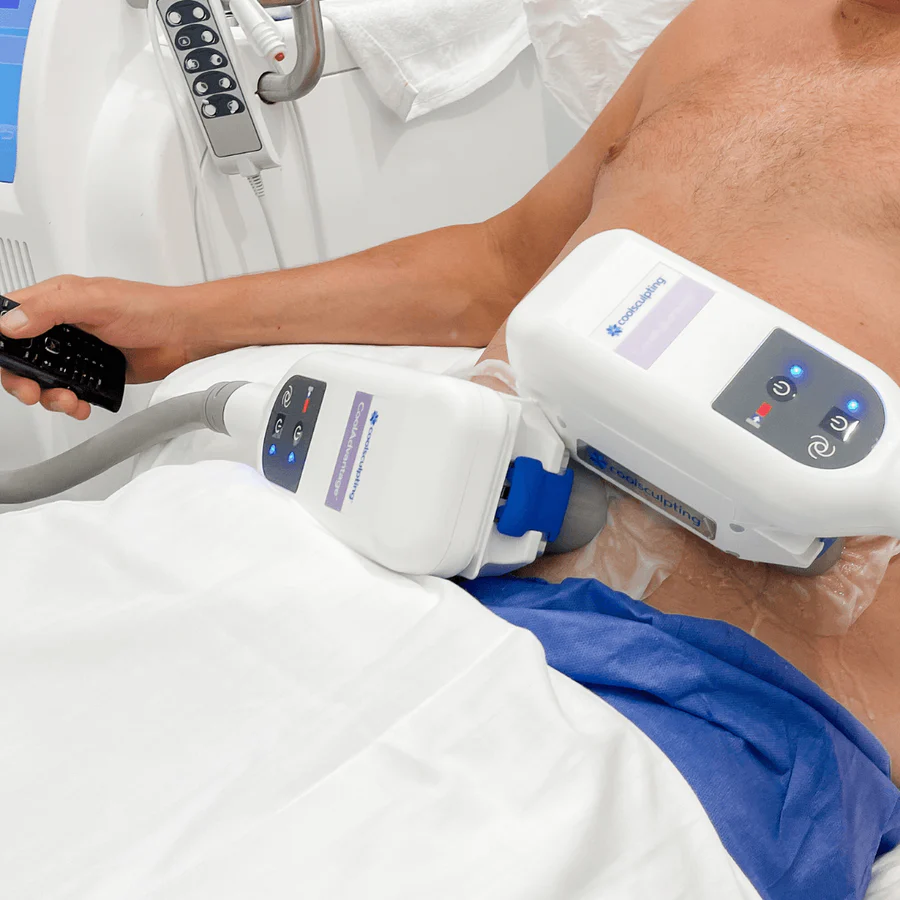
The notion of permanently eliminating body fat might seem unrealistic, especially given how resistant stubborn fat can be to a wholesome diet and regular exercise. However, at Michael Law MD Aesthetic Plastic Surgery, we stand by our endorsement of CoolSculpting® treatments, a health technology we proudly provide to our patients. This method permanently eliminates fat cells rather than providing a temporary solution.

The Concept of Permanently Freezing Fat

Every individual starts life with a fixed set of fat cells. Since the body cannot produce new fat cells, those eradicated through CoolSculpting® will not regenerate, thus rendering the results truly lasting. In the CoolSculpting® process, fat cells are frozen until they die, after which they naturally exit the body through the lymphatic system. This scientifically-proven process is known as cryolipolysis and is FDA-approved. CoolSculpting® is perfect for healthy men and women who are struggling with stubborn fat pockets resilient to exercise and healthy diets, albeit it’s not a substitute for the aforementioned healthy habits.
Maintaining Your CoolSculpting® Results

Although CoolSculpting® ensures permanent fat elimination in treated regions, the remaining fat cells in non-treated areas can fluctuate in size. To keep your CoolSculpting® results intact forever, keeping up a healthy lifestyle, including proper diet and exercise, is necessary to prevent the expansion of non-treated fat cells. CoolSculpting® can be administered to nine body areas, including under the chin, jawline, thighs, abdomen, flanks, under the buttocks, upper arms, bra fat, and back fat. Living a productive lifestyle is essential despite these regions’ resistance to diet and exercise.

Guaranteeing Optimal CoolSculpting® Results

Choosing an accomplished, board-certified plastic surgeon is paramount for achieving the best CoolSculpting® results. Although body contouring treatments might be available at medical spas with non-physician attendants, a board-certified plastic surgeon, such as Dr Michael Law, exhibits a more comprehensive understanding of the anatomical areas treatable with CoolSculpting®. This guarantees the most rewarding and natural results while mitigating the chance of any unfavorable effects.

It should be noted that the best CoolSculpting® results are usually experienced by overall healthy patients. For example, those with loose skin or poor tone might not be ideal candidates. Furthermore, patients suffering from cold-related conditions like cryoglobulinemia, cold urticaria, and paroxysmal cold hemoglobinuria should refrain from undergoing cryolipolysis. Dr. Law will be able to discuss any other potential contraindications with you personally.

Does CoolSculpting® Provide Permanent Results?

Enhancing Permanent Results with Other Treatments

While CoolSculpting® provides lasting results, if you desire additional enhancement to fulfill your personal objectives, various other treatment options are available at Schaffer Plastic Surgery. As body contouring specialists, we offer multiple state-of-the-art treatments that could be advantageous, such as SculpSure®, power-assisted liposuction, fat grafting, and abdominoplasty (or tummy tucks). Combining treatments could be the most effective approach to achieving truly custom results.

Schedule a Consultation

Contact Dr. Law for a consultation to learn more about how CoolSculpting® delivers permanent results.

Breast Implant Position

Sub-pectoral vs. submammary implant position

There are three approaches to pocket creation: subpectoral, subfascial and submammary. In the subpectoral approach, the pectoralis major muscle is elevated from the chest wall so that a portion of the implant resides behind the muscle. In the subfascial approach, only the outer fascia (connective tissue sheath) of the pec major is elevated, so that the pec major muscle lies behind the implant and the anterior pec major fascia lies on top of the implant. In the submammary approach, the pec major muscle and fascia is left undisturbed and the implant pocket is developed directly behind the breast (on top of the pec major).

Currently the subpectoral pocket is the most widely used approach, and it has consistently been the most popular approach as it affords the surgeon and the patient many potential advantages. The submammary approach is a distant second, and the subfascial approach has not gained significant popularity. In my opinion subfascial placement is really not that different, both in terms of postoperative appearance and long-term outcomes, from submammary placement. Before discussing the different approaches in detail, it is important to understand exactly what ‘subpectoral’ means.

‘Subpectoral’, ‘submuscular’ and ‘under the muscle’ are somewhat misleading terms, as in most cases the breast implant is only partially subpectoral. The anatomy of the pectoralis major muscle, when modified surgically as outlined below, is such that it is actually just the upper/medial half of the implant that is covered by the muscle, while the lower/lateral half of the implant is submammary. The pectoralis major thus provides an additional layer of tissue to conceal the implant in the most cosmetically significant area of the breast: the cleavage area and upper pole, sometimes referred to as the ‘social aspect’ of the breast as it is visible in some shirts, blouses, dresses and swimsuits.

In subpectoral breast augmentation it is important for the surgeon to release the inferior origin of the muscle across the lower pole of the breast, up the border of the sternum medially. The pec major would in most cases cover the majority of a breast implant if the inferior origin was not released, and if left intact the lower aspect of the pec major can create significant (and bizarre-looking) implant animation. When the inferior origin of the pec major is released, the inferior fibers retract upward (permanently), so that there is no muscle coverage of the most inferior aspect of the implant and therefore no significant breast implant animation.

‘Animation’ means that when the pec major contracts, the implant underneath it moves around – usually upward and outward towards the underarm area. You may have seen breast implant animation at the pool or at the gym, and if you have then you are well aware that it is NOT a cosmetically favorable outcome. Be sure that the surgeon who is performing your subpectoral augmentation can provide you assurance that you will not have obvious breast implant animation postoperatively.

As indicated above, a ‘subpectoral’ augmentation is not totally subpectoral and is in most cases really about half subpectoral. The upper half of the implant is subpectoral and the lower half is submammary. For this reason, a subpectoral pocket is often referred to as a ‘dual-plane’ pocket. In addition, the pec major can be released to varying degrees relative to the overlying breast. The most limited pec major dissection is referred to as ‘dual-plane I’: the pec major released but its inferior border is still below the level of the inferior border of the areola. Further separation of the pec major form the overlying breast can be performed such that the inferior margin of the pec major is at or just below nipple level (dual-plane II) or at the level of the superior border of the areola or higher (dual-plane III).

The more the pec major is released, the lower the likelihood of animation from pec major contraction, and the more an implant will tend to fill out the lower pole of the breast. My personal preference is at least dual-plane II dissection in most patients, as this maintains excellent upper pole / cleavage area implant coverage by the pec major, while minimizing the possibility of visible animation. Subpectoral position, even though it is really partial subpectoral position, is associated with the lowest risk of postoperative capsular contracture. Capsular contracture refers to thickening and tightening of the thin fibrous capsule which the body forms around any implanted medical device, which can make implants feel firm or even hard – and in advanced cases can distort implant shape and position.

In my opinion there is really only one ideal pocket position for enlargement surgery in an elective cosmetic surgery patient: subpectoral, and specfically at least a dual-plane II muscle release. There are a number of very compelling reasons to place implants behind the pec major, some of which are outlined above, but the most compelling reason of all is the fact that radiologists report that an adequate mammogram is more easily accomplished when these medical devices are sub-pectoral, compared to submammary or subfascial augmentation.

An American woman’s current lifetime risk of breast cancer is approximately 1 in 8 to 1 in 9, so the issue of breast cancer screening must be taken very seriously. Mammography is by no means a perfect screening study, but it is the standard of care at this point in time. The most sensitive and specific test for breast cancer is a contrast-enhanced MRI scan, and breast implants do not impair breast tissue visualization by MRI.

The second most compelling reason to select subpectoral placement is cosmetic: implants that are placed on top of rather than below the pec major (submammary or subfascial pockets) tend to stand out in the upper pole of the breast, creating a rounded, convex and distinctly unnatural-appearing upper pole breast profile. With implants in a subpectoral position, the upper pole of the implant is flattened somewhat by the muscle, helping to create a smooth transition from the area in the upper chest where the breast begins, and a gradual slope towards the nipple that is not excessively rounded or convex.

In some patients who have a fuller breast volume preoperatively one may achieve an acceptable appearance with submammary placement – initially. The potential problem is that as breasts age, the fatty tissue often atrophies and breast tissue atrophies as well, and the area where this is most obvious is in the upper pole and cleavage area. So a submammary implant that was initially well-concealed may, after a number of years, become painfully obvious – in the form of visible implant folds and ripples in the upper pole and cleavage area.

Schedule an appointment with board-certified plastic surgeon Michael Law MD today.

Cohesive silicone gel implants vs Saline Breast Implants

Cohesive silicone gel implants vs Saline Breast Implants

The degree to which this difference is noticeable postoperatively varies a great deal with regard to two factors: the amount of breast tissue that exists prior to augmentation, and the size of the implant that is used. A silicone gel implant’s more natural feel will be much more important to patients who are slender and who fit in an A cup bra preoperatively, as they have less subcutaneous soft tissue and breast tissue to conceal the implant. In such a patient a saline implant is usually very easy to feel through the skin, and may even be visible externally – especially in the lateral aspect of the augmented breast where the tissue covering the implants is the thinnest.

The difference in feel between saline and silicone gel implants will be less noticeable to a patient who is more full-figured and whose pre-operative bra size is a full B or especially a C cup. In some fuller-figured patients saline implants may be undetectable by palpation (meaning they feel completely natural). Saline implant palpability is primarily a matter, therefore, of how much natural tissue there is to disguise the implant.

Another important difference between gel and conventional saline breast implants is what happens if the implant shell fails. If a conventional, single-chamber saline implant ruptures, that breast will rapidly ‘deflate’ as the body absorbs the saline. Most patients have little tolerance for having just one augmented breast, of course, and a saline deflation thus requires a return to the operating room to replace that implant.

When a gel implant fails, there is no change in the appearance or feel of the breast, as the gel material is inert and is not absorbed by the body (and with cohesive implants the vast majority of, if not all of the gel material, remains within the implant’s outer shell). As there is no outward sign that the implant has failed, the only way to discover that a gel implant has ruptured is to undergo a radiologic test such as an MRI, which is the best means currently available for diagnosing silicone gel implant failure.

The FDA recommends that women receiving gel implants have MRIs at certain intervals postoperatively to monitor the status of their implants (this is an FDA recommendation but not a requirement). The cost of an MRI scan (which includes the charge for performing the test as well as a charge for the test being interpreted by a radiologist) can range from $1000-$2000. The FDA also recommends that patients with a ruptured silicone gel breast implant have the implant removed and replaced.

Structured saline implants (the brand name is ‘Ideal Implant’) represent an attempt to create a saline-filled breast implant that is less easily palpable and more life-like than a conventional, single-chamber breast implants Although not quite as breast-like as cohesive silicone gel implants, structured saline implants definitely feel more natural than single-chamber saline implants. And unlike silicone gel breast implants, a radiologic study like an MRI scan is not required to detect a structured saline implant shell failure.

If the outer, smaller chamber of and Ideal Implant leaks and empties then the implant loses a relatively small percentage of its total volume and the augmented breast will appear slightly smaller than the other side, so implant replacement is not urgent. If the larger, inner chamber leaks and empties then the affected breast will appear much smaller than the other side, and immediate replacement of that Ideal Implant will be necessary.

Schedule a consultation with  board certified plastic surgeon Michael Law MD.

Are smooth or textured implants the best choice for me?

Are smooth or textured implants the best choice for me?

Cohesive round silicone gel breast implants are appealing in that the gel inside is cohesive (i.e. it is in a solid state and sticks together, as opposed to the liquid silicone gel of older silicone gel implants) but not highly cohesive (that’s what is inside ‘gummy bear’ implants), which makes them the softest and ‘squishiest’ breast implants that are available, and which also makes them the most popular implants with patients. Cohesive (not highly cohesive) implants best mimic natural breast tissue. Highly-cohesive or ‘gummy bear’ implants feel much firmer than natural breast tissue.

Smooth shell breast implants, in patients with thin breast tissue, are perhaps a little less likely to be palpable (and outwardly visible) than textured surface breast implants. This slight difference is less relevant when the implants are placed behind the pectoralis major muscle, which enhances concealment of the implants in the upper pole and cleavage area.

Another important difference is the interaction between the implant shell and the fibrous capsule that one’s body forms around the implants. This fibrous capsule which forms around any implanted medical device does not adhere to a smooth implant shell, so smooth implants are mobile within the implant pocket – which has the advantage of nicely simulating the feel and behavior of natural breasts, but has the potential downside of contributing to implant displacement (‘bottoming out’, ‘lateral drift’) over time.

Textured surface implants are intended to promote friction between the implant shell and the body’s fibrous capsule around the implant, or even adherence of the fibrous capsule (which the body naturally creates) to the surface of the implant. Friction and/or adherence to the implant surface, if it occurs, helps to stabilize implant position and reduce the likelihood of unfavorable implant position changes over time – such as ‘bottoming out’ and ‘lateral drift’. Friction/adherence may also reduce the rate of capsular contracture, which is a positive, but may also increase the risk of postoperative seroma (a fluid collection around the implant).

The process for creating the textured surface of the implant shell varies significantly between the three companies, and as you might expect the performance of each company’s textured surface implants varies as a result of these differences. The least aggressively textured implants (the smallest ‘bumps’ on the implant surface when you image it using a microscope) have the least adherence to the fibrous capsule, but also the lowest risk of seroma. The most aggressively textured implants (the biggest ‘bumps’ on the implant surface) have the highest degree of adherence but also the highest rate of seroma. My personal textured implant preference is to not use aggressively textured implants.

In patients with good breast skin tone and adequate breast tissue to conceal the implants, I think that textured surface round implants are a great choice. I prefer smooth surface round implants when the breast tissues are thin, or when there is some skin laxity but not enough to absolutely require a simultaneous mastopexy. Why? If the breasts are a little droopy, you want an implant that will settle into the somewhat droopy breasts, not one that may tend to stay in a higher position on the chest wall because of the surface texturing.

I also prefer smooth surface implants for patients having an augmentation mastopexy. With breast skin laxity and thinning there is a slightly greater chance of implant palpability and visibility, so my preference is for smooth implants in those patients. If there is better skin and breast tissue tone, then textured surface breast implants are fine for augmentation mastopexy.

You may have read about or heard discussed in the media a form of lymphoma (lymphatic system cancer) called ALCL that is now known to occur rarely in patients with breast implants. ALCL stands for ‘atypical large cell lymphoma’ and it is discussed in detail on another page on this website entitled ALCL: what you need to know. While this very rare (and treatable) cancer appears to be more common with textured surface implants compared to smooth surface implants, the majority of cases have been associated with aggressively textured implants (and older generation implants) which are not used in this practice. </p.

Additionally, implant bacterial colonization and low-grade infection also appear to be a likely causative factor or at least promoting factor for ALCL. In my opinion, less aggressively textured implants remain a perfectly acceptable implant option. As with any breast augmentation procedure, they should be placed using techniques that drastically reduce the possibility of bacterial colonization: triple antibiotic irrigation, insertion using a sterile funnel, use of a nipple barrier, not using a periareolar incision, etc. In a study published in 2017 that included 42,000 patients in whom theses anti-infection strategies were used, the rate of ALCL was 0%.

Schedule a consultation with board-certified plastic surgeon Michael Law MD.

Breast Augmentation Considerations

Breast Augmentation Considerations

Many patients considering breast augmentation are seeking to not only enhance the volume of their breasts, but to also enhance the shape and/or improve the approximation of symmetry of their breasts. I say ‘approximation of symmetry’ as almost all patients have some measurable breast asymmetry, and perfect symmetry rarely exists.

A multitude of breast shape and symmetry issues can be improved during breast augmentation, and in essentially all cases it is possible to produce an aesthetically desirable breast profile. While many issues can be corrected in a single surgical procedure, more significant size asymmetries and breast shape problems may require a staged approach (i.e. more than a single surgery) to achieve an aesthetically ideal outcome.

Accurate preoperative evaluation, careful surgical planning and attention to detail during the surgical procedure are all crucial elements in achieving this goal. It is of utmost importance for the plastic surgeon to clearly outline to each patient the issues that need to be addressed (and in what sequence), whether or not it is practical to accomplish all of the goals in one surgery, and the outcome that is expected from any individual surgical procedure.

Minor breast size asymmetry
Breast asymmetry is extremely common, and in fact essentially all pairs of breasts have some identifiable and measurable asymmetry. So the goal of surgery is not to create perfect symmetry, as that usually does not exist in nature, but rather to produce the closest approximation of symmetry that is possible.

In some cases it is possible to improve breast size asymmetry by using implants of different volumes and/or profiles. For these cases it is extremely helpful to try out different implant sizes and profiles during the breast augmentation surgery using sterile sizers. The surgeon must patiently and carefully evaluate a variety of implant sizers intra-operatively with the patient in the upright sitting position, in order to determine the combination of implants that produce the closest approximation of symmetry.

Silicone implants are prefilled and therefore of a fixed volume. So with one particular implant line you might wish you had a 290cc implant volume for the right or left breast, but have to choose between 275cc and 300cc. That situation speaks to the advantage of working with all three US gel implant manufacturers, for at a given implant base diameter you have the widest selection of implant volume and implant projection measurements if you are able to choose from the implant portfolios of three different companies.

In some cases breasts appear asymmetrical because of asymmetries in the shape and projection of the chest wall, even though the actual breast tissue volume may be equal or quite similar. This scenario may mandate the use of different size implants in order to produce the closest approximation of overall breast symmetry. If one side of the chest wall is more projecting, that side may require a less projecting implant than what is selected as ideal for the opposite side. The side with the more projecting chest wall may require a moderate profile implant, for example, while the less projecting side requires a moderate plus or high profile implants.

Major breast size asymmetry
If there is a significant difference in breast volume, and one attempts to address that difference solely by using implants of different size (which is not a good idea), then the inherent differences in the breasts end up being exaggerated by the breast augmentation surgery. The smaller breast with the larger implant will tend to appear youthful and perky-appearing, while the larger breast with the smaller implant will in comparison appear somewhat droopy, and this difference with only get worse as the patient ages. Not a pretty picture.

So for some patients with major size asymmetry it is necessary to reduce the volume of the larger breast by performing some form of breast reduction on that side (hence the somewhat confusing term ‘reduction augmentation’). Other patients may require a breast lift on one side and a breast reduction on the other, in addition to placement of implants. Equalizing the natural breast volume allows the surgeon to utilize implants of the same or similar size.

With implants of the same or similar size in place, and one side reduced so that the breasts have approximately the same volume of natural breast tissue, the rejuvenated breasts will not only appear close to symmetrical immediately postop but will also tend to age in a similar fashion and remain close to symmetrical over time.

Tuberous breast / constricted breast
Tuberous breast and its milder form, constricted breast, are fairly common breast shape abnormalities. Tuberous breasts tend to be narrow at the base and are overly projecting for their size, and this phenomenon may occur on one or both sides or to varying degrees on each side. In its mildest form, the lower pole of the breast is underdeveloped or may even appear constricted – sometimes referred to as a ‘constricted lower pole’. In severe cases the breast is conical in shape and is sometimes described by the patient as looking like a ‘torpedo’ or a ‘Snoopy dog’. Tuberous breasts can be perky or droopy.

Regardless of the degree to which a breast appears tuberous, it is possible to dramatically improve the appearance of the tuberous breast during augmentation surgery using a number of specialized surgical techniques. While I do not use a periareolar approach for primary augmentation of non-tuberous breasts, that approach can be useful in tuberous breasts. In some cases a periareolar incision has advantages over the inframammary fold approach, as it allows direct modification of the sub-areolar area – including mobilization, transposition and even removal of sub-areolar breast tissue when required.

Circumareolar excision of central breast skin excess is required in some cases, which can also serve to reduce an excessively large areolar diameter if present. If circumareolar skin excision is required, then it makes sense to perform the augmentation procedure through the periareolar incision. Fat grafting is another important means for tuberous breast shape improvement, as it provides a mean for expansion of the breast volume peripheral to the tuberous central breast.

Many patients with severely tuberous breasts have said to me that they have never removed their bra in an intimate setting. Careful patient assessment, thoughtful planning and attention to detail during the surgical procedure can produce a dramatic and life-changing improvement for most patients with tuberous breasts.

Making the Decision with your Plastic Surgeon

These are general concepts and not necessarily absolute preferences, and many additional factors are evaluated when selecting the best implant for each patient. The thought process behind implant selection takes into consideration not only what is likely to contribute to a successful outcome immediately postop, but also what is likely to remain stable and aesthetically ideal over time. For example, an athletic patient who is a distance runner is often best served, in my opinion, by textured surface breast implants, as the textured surface provides a greater likelihood of the implants remaining in an aesthetically ideal position over years of sustained, high-impact exercise.

The take-home message is this: there are more available breast implant options than ever before, so you want to see a surgeon who has experience with (and therefore some expert opinions about) all of the implants that you are considering. The best decision is always a well-informed decision that takes into consideration all of the currently available options and all of the latest, scientifically-based information about those options. You are best-served, without question, by a board-certified plastic surgeon who is up-to-date on the current breast implant literature and who has a working relationship with all of the FDA-approved implant companies.

Attention to detail in breast augmentation

Attention to detail in breast augmentation

For the experienced and meticulous surgeon who is dedicated to creating natural-appearing breast augmentation results, every breast augmentation patient (and therefore every breast augmentation surgery) is different. There are subtleties of implant selection, pocket dissection, pectoralis major release and modification, breast shaped modification and soft tissue envelope management that all may significantly impact the ultimate outcome of surgery. Careful attention to each of these important details can be the difference between an aesthetically ideal result vs. an average result vs. a disappointing result, one which may require secondary surgery.

Managing the inframammary fold

In many breast augmentation patients, the inframammary fold (IMF) needs to be lowered in order to allow the implant to rest at a level that appears natural relative to the position of the nipple and areola. Ideally the implant should be centered directly behind the nipple-areola complex (NAC). Lowering the IMF requires careful planning, as one wants the scar that results from the breast augmentation procedure to reside within the new IMF, and not above it on the lower pole of the breast or below it on the chest wall.

A potential downside of lowering the inframammary fold is that doing so creates some risk of the original, preop IMF being visible along the lower pole of the breast. This can in some cases be severe enough to create one version of the ‘double bubble’ deformity, where there is a visible demarcation between where natural breast tissue ends (at the original IMF) and where the implant contour begins. Techniques to avoid a ‘double bubble’ appearance include internal, radial scoring of breast tissue at the level of the inframammary fold which allows the IMF crease to expand, and fat grafting of the subcutaneous tissue at the original IMF and immediately above and below it, so that the transition between natural breast and implant contour in the lower pole is no longer visible.

When lowering the IMF, care must be taken to ensure that the new IMF is well-defined and not subject to change over time. Through an IMF incision sutures can be placed that anchor the connective tissue layer of the skin to the chest wall, helping to define and maintain the position of the IMF over time. One must be careful to avoid postop failure of the new IMF and descent of the implant below the IMF, which requires surgical correction if it occurs.

Likewise, if the inframammary fold is lowered too far, the augmented breast will appear ‘bottomed out’, with an excessively full lower pole, an under-filled upper pole, and a nipple/areola complex that appears to sit too high on the breast. This is another problem that creates a distinctly unnatural appearance, and one that requires surgical correction: repair of the inframammary folds by means of inferior capsulorrhaphy (closing down the inferior capsule with sutures), superior capsulotomy (expanding the implant pocket superiorly), and potentially placing a material that will help support the weight of the implant in the lower pole (GalaFORM, Strattice, etc).

Upper pole profile
In profile (side view), the natural-appearing breast is not convex in the upper pole, so an excessively convex and overly full upper pole is a dead giveaway that a woman has breast implants. In addition, inadequate release of the inferior origin of the pectoralis major will allow the muscle to hold the implant in too high a position, and may even cause the implant to displace upwards (as high as the collar bone in some patients) when the muscle contracts. Patients with this problem require reoperation to release the inferior origin of the pec major and/or the inframammary fold, and potentially replacement of the implants with a profile that appears more natural in the upper pole.

It is critical to select an implant profile that creates a natural slope in the upper pole of the breast. For this reason, patients with significant natural breast projection and upper pole fullness preoperatively generally require a low, low-plus or at most a moderate profile implant; while those with little projection and minimal upper pole fullness often require a moderate plus or even a high profile implant to achieve the most aesthetically favorable outcome. While high-profile implants can produce a natural breast profile in some patients, one must be very selective about the use of these implants.

Horizontal implant position and medial / lateral implant projection
The horizontal position of breast implants also requires a great deal of attention, both during the pre-operative planning phase and when the implant pocket is created in the operating room. Excessive lateral dissection of the implant pockets will result in augmented breasts with an excessively wide space between them in the cleavage area, and the appearance that the breasts are abnormally far apart. The result may (or may not) be tolerable in the upright standing or sitting position, but when the patient lays down in supine position (on their back) the implants may fall far to the side and produce little to no anterior breast projection in this position.

Patients with this problem almost always want it corrected, and the treatment once again is surgical: a lateral repair of the implant space (lateral capsulorrhaphy), to restrain the implants from falling off to the side. The natural slope of the chest wall, which varies greatly from patient to patient, plays an important role in lateral implant displacement. When the chest wall slopes steeply to the side, breast implants will always have a tendency to displace laterally.

Inadequate lateral dissection, on the other hand, will result in an augmentation with an abnormal ‘side by side’ appearance. It is lateral projection of the breasts beyond the lateral border of the chest wall (in frontal view) which, along with the concavity of the waist profile and the convexity of the hip profile, produces the appearance of an ‘hourglass figure’. While one does not want to over-dissect the lateral extent of an implant pocket, careful attention must also be paid to ensure that lateral breast projection is not inadequate.

Implant base diameter
Breast implant base diameter is also of crucial importance. The base diameter (the side-to-side dimension of the implant) must be ideal for the preoperative horizontal dimension of the breasts, as well as the breadth of the anterior chest in general. It is obvious that a given implant volume and base diameter that works well for a small-framed patient who is 5’2″ will be completely inadequate for a broad-chested patient who is 5’10”.

One wants to increase cleavage area fullness and lateral breast projection in most cases, and an implant of inadequate base diameter may accomplish only one of those goals, while too wide an implant will be overprojecting in both directions and tends to make a patient appear ‘stocky’ or heavier than they actually are. Careful evaluation of all of these breast and implant dimension issues is necessary if the ultimate goal of the surgery is a natural-appearing breast augmentation.

Altering preoperative breast shape
A number of modifications to breast shape are possible during breast augmentation surgery, beyond the mere expansion of breast volume by means of implant placement. Constricted / tight lower poles can be expanded. Tubular breasts can be released and reshaped. Conical areolas can be modified so that they are less projecting. Inadequate cleavage area breast fullness, widely separated breasts and bony-appearing sternums can be improved by means of structural fat grafting of any area where greater natural soft tissue fullness is desirable.

Make sure that the plastic surgeon you select can discuss all possible measures that are available to create the most aesthetically ideal breast augmentation result possible. Attention to these details can be the difference between a breast enhancement that is both stunning and very natural-appearing versus one that is bigger but not necessarily a lot better.

Avoiding capsular contracture

Avoiding capsular contracture

You may have heard of someone’s breast implants ‘turning hard’, or maybe you have breast implants and they are no longer (or have really never been) soft and movable like natural breasts. It is not the implants themselves that turn hard, of course; what has really happened is that the fibrous capsule which the body forms around the implants has tightened and thickened, making the implants less mobile and causing them to feel firm (and eventually, in some cases, even hard). The medical term for this phenomenon is ‘capsular contracture’.

The best approach to capsular contracture is a preventative one, and if a number of scientifically-proven techniques and materials are used when the primary breast augmentation surgery is performed, the likelihood of capsular contracture should be very low. In our practice, we rarely see patients in follow-up who have evidence of capsular contracture.

Any time a medical device is implanted in the body, whether it is a pacemaker or a breast implant or an orthopedic device or anything else, the body responds by forming a thin fibrous membrane around it. In most cases this membrane or ‘capsule’ stays thin and soft, but in some cases over time the capsule may tighten around the implanted medical device and thicken.

Since breast implants are soft objects that are placed in a relatively superficial position, capsular contracture can make a normally soft and movable breast implant feel increasingly firm, unmovable and even hard to the touch. In advanced stages of capsular contracture, the capsule can even distort the shape and position of a breast implant. Capsular contracture can be treated, but the treatment is a fairly significant surgical procedure, so avoiding capsular contracture is not just about keeping augmented breasts feeling soft and life-like, but also about avoiding another trip to the operating room.

Capsular contracture can occur on one or both sides, and while it can develop early (weeks) or late (years) after a breast augmentation surgery, in the vast majority of cases it is evident fairly early following the procedure. So the good news is that once you are six to 12 months out from your surgery, if your augmented breasts are soft and supple then they are likely to stay that way for the long term.

It has been shown scientifically that most cases of capsular contracture are primarily a response to the presence of bacteria on the implant surface that have very low ‘virulence’, which means that they are not the kind of bacteria which would usually produce an actual infection with obvious physician signs of infection such as redness, tenderness, swelling and fever.

These bacteria can adhere to the implant surface on the day that the implants are placed, and gradually become established as a bacterial ‘biofilm’ on the outer shell of the implants. The resulting low-level inflammatory response over the weeks, months and even years following the breast augmentation surgery can stimulate the cells that make collagen (called fibroblasts) to make more collagen – thickening the capsule and stimulating it to contract and tighten around the implant.

It is not an obvious infection; there are usually no symptoms that this is going on until the implant capsule tightens and changes the way that the implants feel, and taking oral antibiotics will not prevent the process or reverse it. The source of these non-virulent bacteria is thought to be the patient’s skin, or the milk duct and gland system of the breast that lead to the nipple, as both are normally colonized with low-virulence bacteria.

Because plastic surgeons have an increasingly detailed understanding of why capsular contracture occurs, there are a number of measures that can be taken to significantly reduce the likelihood that it will happen following breast augmentation surgery. Several of these techniques are discussed in the adjacent section describing ‘Dr. Law’s philosophy on preventing capsular contracture’.

Which Company Makes The Best Breast Implant

Which Company Makes the Best Implants?

Well naturally a representative from each company would immediately respond “Ours does!”, and of course each company has scientific data which, from their perspective, backs up their claims. The truth is that all four of the currently FDA-approved implant manufacturers make good products, and the differences between them are, with some exceptions, fairly subtle. Competition between implant makers has been a very good thing for the consumer, as each company strives to develop manufacturing advances and new implant features – including completely new implant designs – that provide products that are both safer and more natural appearing.

Some plastic surgeons are loyal to a single implant manufacturer. That loyalty may be because a surgeon thinks a certain company’s implants are the best, or it may be simply a matter of convenience (it’s a lot less work dealing with just one company, and it certainly requires a lot less storage), or it may even be motivated by the availability of cash rebates to the practice for using a large volume of implants. The major downside of working with just one company – and it’s a huge downside – is that it limits your implant selection options.

No single implant maker has an implant available for every possible combination of implant volume, base diameter and projection. So if the goal of a surgeon is to provide each patient with a completely customized implant selection, then one must work with all three companies that manufacture both silicone gel and conventional saline implants (Allergan, Mentor and Sientra), and the newest company to market which manufactures ‘structured’ (multi-chamber) saline implants (Ideal Implant). The great advantage of working with all of the FDA-approved breast implant companies is that it enables a surgeon to provide patients with the widest range of implant options.

Sientra and Ideal Implant stand out from the other two breast implant manufacturers in one very significant way: they sell their implants exclusively to board-certified plastic surgeons. The leaders of these two companies are so committed to producing the best possible outcomes for breast augmentation patients that they will only allow their products to be placed by physicians who have completed plastic surgery residency.

In an era where ER docs, family physicians and oral surgeons (among others – and no, I am not making this up, search it online) are offering breast augmentation, Sientra and Ideal Implant are the only two companies that have taken a stand on the issue of which physicians are qualified to use their products. This commitment is respected and appreciated by all residency-trained and board-certified plastic surgeons, and should serve as a bold statement to the consumer that Sientra and Ideal Implant put excellent breast augmentation results ahead of corporate profits.

In my practice I use implants made by all four U.S. breast implant manufacturers. The implant selection is based on biodimensional planning (using measurements made during patient examination), the patient’s lifestyle and activity demands, and the specific aesthetic outcome that each patient wishes to achieve. For any given patient, there is a limited range of implant sizes and profiles that will produce a natural-appearing breast enhancement. In working with all four breast implant manufacturers, I have more options available for each patient.

The bottom line: you can potentially get a great result with breast implants made by any of these four companies. It is really a matter of sorting out, ideally with the guidance of a board-certified plastic surgeon who has a working relationship with all four implant companies, which particular implant type, size and profile is the best choice for your individual needs.

Revisional breast augmentation surgery

Revisional breast augmentation surgery

There are four main reasons for reoperation in breast augmentation patients (the medical terms we use are listed in parentheses):

  1. The augmented breasts become firm and less movable (capsular contracture)
  2. The implants don’t remain in an aesthetically ideal position (implant malposition)
  3. You can see the implants through the skin and breast tissue (implant shell visibility)
  4. The patients thinks that their augmented breasts are too big or too small (implant size dissatisfaction)

Our plastic surgery practice in Raleigh NC treats a significant number of patients who schedule a consultation with us because they are dissatisfied in some way with the results of a breast augmentation they have had in the past. If you are one of these patients, the good news is that the results of your surgery can almost always be improved, and in most cases quite dramatically.

Capsular contracture
Traditionally, one of the most common and most frustrating to patients and surgeons has been capsular contracture, which is addressed in detail in a section above. If you have a contracture, you are at a somewhat higher risk for contracture following a second or third surgery, so it is of utmost importance that a number of things be done differently from your first surgery to minimize the risk of developing capsular contracture again.

Implant malposition
Another potential problem is an unfavorable change in implant position, which can be related to a number of issues: the dimensions of the implant pockets may not be ideal or symmetrical, the pectoralis major muscle may be inadequately released and thus holds the implants too high (and can cause them to ‘jump’ upward and outward when the muscle contracts), and one or both implants may even shift in position over time which results in positional asymmetry.

Examples of position problems include ‘bottoming out’ (the implants stretch out the lower poles, or descend below the inframammary folds), ‘lateral drift’ (implants that fall too far to the side when the patient lies flat), and synmastia (aka symmastia, which means the breast implants meet in the cleavage area and there is no longer a clear separation between the breasts).

If the implant pockets are dissected too far laterally, the implants may appear too far apart on the chest wall, and may fall off to the side of the chest when a patient is in supine position (lying on their back). It is important to understand, however, that many patients have a chest wall shape which slopes steeply in a lateral direction, and in these patients some lateral drift in supine position is essentially impossible to prevent.

If the pockets are not dissected far enough laterally, the implants appear too close together and do not project enough to the side to create the upper third of an ‘hourglass figure’. Again, this may be impacted by the underlying shape of the chest wall, for in some patients the chest wall slopes steeply inward towards the sternum, and in these patients the implants will always tend to sit medially towards the cleavage area and under-project laterally.

‘Bottoming out’ can mean one of two things: that the weight of the implants has stretched out the lower pole skin and breast tissue, allowing the implants to sit too low and sometimes making the nipples appear to be too high on the breasts; or that the implants have broken past the inframammary fold (IMF) and now a portion of one or both implants is below the IMF.

Treating malposition often involves temporarily removing the implants and making adjustments to the capsular space that tightens it (called capsulorrhaphy) or that releases it (called capsulotomy). Implants of a different size and dimension may be required. The inframammary fold may need to be repaired, and in some cases an additional biocompatible (meaning ‘accepted by the body) material may need to be added to help support and maintain implant position over time. Examples include GalaFORM and GalaSHAPE surgical scaffolds, and Strattice.

One additional form of implant malposition applies to shaped breast implants only, and that is shaped implant rotation. Shaped implants that have rotated should be removed and replaced with round implants. For a number of reasons that are outlined elsewhere on the website, this practice no longer places shaped implants for any first-time or revisional breast augmentation surgery.

Implant shell visibility
If the implant shell is visible through a patient’s breast skin, or the thinner skin adjacent to the breast, then a breast augmentation never appears truly natural. Avoiding implant shell visibility is primarily a matter of not using implants that are too large for a patient’s natural breast tissue to conceal. In most cases of implant shell visibility, the breast implant volume, implant projection or implant base diameter (and oftentimes all three of these implant measurements) are too large for the patient’s natural breasts.

In slender patients with small breasts (and really for the vast majority of our patients), subpectoral augmentation is the only appropriate choice. In some cases, the implant shell is visible because the implant – even if it is of an appropriate volume – was placed in a submammary (on top of the pec major muscle) position. In these patients, moving the implant from a submammary to a subpectoral position is usually effective in concealing the implant shell in the cleavage area.

Structural fat grafting can also be effective in helping to conceal visible implant contours in any area of the breast, particularly in the cleavage area, the upper pole and along the outer edge of the breast. Fat can easily be harvested from the abdomen, flanks or thighs and grafted into areas where the soft tissue coverage of an implant is not adequate.

There are many implant factors that must be taken into consideration when managing visible implant folds and ripples. Whether or not an implant is likely to develop ‘folds’ or ‘ripples’ that are visible through the skin is impacted by the nature of the implant fill material and the percentage fill of the implant shell. So correcting implant shell visibility may also involve removing the existing implants and switching to a different implant option.

Some silicone gel implants are easily deformable, which makes them very soft to the touch when implanted, but which also has the disadvantage of making them more likely to fold at the surface and not fully maintain their round shape. The higher the percentage of gel implant fill (and they are filled at the factory, of course), the less likely they are to fold or show ripples at the surface, but the more firm they will feel.

The same is true of saline implants, which are filled with saline in the operating room. Likewise, the more ‘cohesive’ the gel in a silicone gel breast implant, the more it will tend to maintain its shape – but the firmer it will feel. So there are pros and cons to implant fill percentage and the degree of gel implant ‘cohesivity’. All three US gel implant manufacturers offer implants with different degrees of cohesivity, so many options are available when planning implant removal and replacement.

Implant size dissatisfaction
Some postop breast augmentation patients feel that their implants are too big and make them feel very self-conscious, while others feel that their implants are too small and that their expectations for a shapelier figure have not been met. Increasing breast implant volume is one of the more straightforward breast augmentation revisional procedures, as long as the implant volume selection produces a plausibly natural position. Reducing implant volume can be more challenging, as in these cases the pockets must be tightened to accommodate smaller implants.

Keys to success in primary and secondary breast augmentation
The keys to achieving an aesthetically beautiful and natural-appearing breast augmentation result are the same, whether the surgery is the initial placement of breast implants or a secondary procedure to correct any of the potential breast implant problems outlined above:

  1. Thorough preoperative assessment including measurements made in standing position and sometimes in supine position as well.
  2. Examination of a wide variety of samples implants and breast forms, both in a bra and while wearing a form-fitting shirt over the bra (for patients that do not currently have implants in place).
  3. Adherence to biodimensional planning principles – the concept that the measurements of the natural breast and chest wall directly impact the implant size and profile that are appropriate for each patient.
  4. The willingness to take a staged approach to breast enhancement in instances where that is beneficial.
  5. The willingness to deflate existing saline implants or remove existing silicone gel implants in some cases, and to re-evaluate the patient a week or two later to confirm the ideal plan for secondary breast enhancement. This is not required in all cases, but is extremely helpful in some.
  6. The use of supportive / protective materials (GalaFORM, GalaSHAPE, Strattice, etc) when indicated.
  7. Adherence to surgical principles and practices that have been demonstrated as effective in scientific studies published in peer-reviewed scientific journals (the practice of ‘evidence-based’ medicine).
  8. Meticulous attention to detail in the operating room. The surgeon should never be in a rush, and should never leave the O.R. until the breast appearance is the best it can possibly be.
  9. Frequent follow-up in the early postoperative phase, and intermittent evaluation over the course of one year. For travelling patients, some of this follow-up can be conducted by phone with postop digital photographs and video submitted securely by the patient.
  10. Rigorous attention to a postoperative recovery protocol that includes a gradual, logical return to full-effort exercise over 12 weeks.

Regarding the issue of reoperation, these three things you ABSOLUTELY must know before your breast augmentation surgery…

  1. There is no way around the fact that ALL breast augmentation surgeons, even the most meticulous and experienced ones, have some patients who return with a breast implant problem that requires surgical correction.
  2. By following the principles outlined above, it is possible to avoid the need for reoperation in the vast majority of breast augmentation patients.
  3. Because the need for reoperation is a possibility, although ideally a remote one, make sure that your breast augmentation surgeon can clearly describe to you the approaches that they use to minimize the likelihood that you will require a return trip to the O.R. to fix a problem with your breast implants. And, just as importantly, make sure that the practice policy for reoperation in breast augmentation patients is clearly explained to you – including any expenses that will be your responsibility.

Read DR. LAW’S PHILOSOPHY on BREAST AUGMENTATION REVISION SURGERY

————————————————-

Breast augmentation after pregnancy, major weight loss and in naturally droopy breasts

Quite a number of the breast augmentation patients in our practice are moms. After one or more pregnancies, most women experience a loss of breast volume combined with some ‘stretching out’ of the breast skin. In many of these patients, a breast implant of moderate size will restore a very pleasing breast contour. These patients are not looking to raise eyebrows at work or around the neighborhood – they just want to discard their padded bras, to have more options when selecting clothing and swimsuits, and to feel better about their appearance in private.

When there is mild to moderate laxity of breast skin and/or loss of breast volume that makes the breasts appear somewhat droopy or ‘deflated’, the addition of a breast implant can ‘fill up’ the excess skin and create the appearance of a breast lift (although this is not truly a breast lift or ‘mastopexy’). This situation often is a result of pregnancy and lactation, but we also see many patients with significant breast skin laxity who have never been pregnant. Breasts are often droopy and lax at the time that they first develop, and can also have this appearance in patients who have never been pregnant but who have experienced major weight loss.

In patients with more advanced drooping of the breasts (the medical term is breast ptosis – the ‘p’ is silent so ptosis is pronounced TOE-sis), particularly when the nipples are pointing downwards, a mastopexy (breast lift) needs to be combined with the breast augmentation surgery to tighten the skin envelope around the implants. In these patients adding a mastopexy to the augmentation plan allows the surgeon to achieve a result that is truly youthful and aesthetically ideal. The result of this surgery is truly liberating for most patients, as most no longer feel the need to wear a bra to bed at night, and can go bra-less in some forms of clothing if they wish to do so.

Mastopexy may also be required when the nipples are still pointing forward or slightly upwards, but much of the lower pole breast volume has dropped below the level of the inframammary folds. This preoperative condition is referred to as ‘glandular ptosis’, meaning that the nipples are not down-pointing but a significant proportion of the glandular tissue of the breasts has ‘bottomed out’ and now resides below the level of the inframammary folds.

Simultaneous breast augmentation and breast lift (mastopexy) is called an augmentation mastopexy, and the results of this operation can be dramatic and absolutely transforming. An augmentation mastopexy is required when the surgeon’s preoperative assessment is that without a lift, the likely postoperative appearance is that of a breast drooping off of an implant – which is a distinctly unnatural and unappealing breast profile. If you need a bra to hold your breasts up preoperatively, it is quite likely that you will need a mastopexy in addition to your breast augmentation procedure.

Read DR. LAW’S PHILOSOPHY on AUGMENTATION ALONE vs. AUGMENTATION MASTOPEXY